
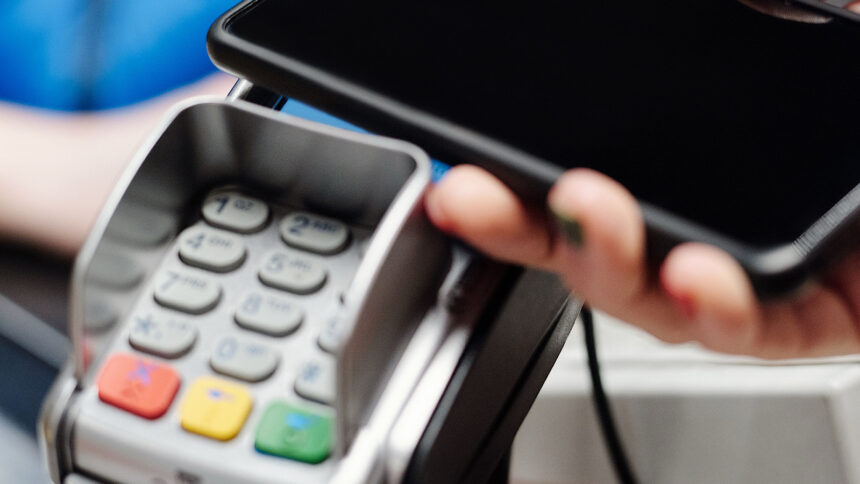
- Approved non-bank firms could offer more payment services independently under a Reserve Bank plan targeting mid-2027.
- Cheaper payments are the goal, but the changes do not guarantee free transactions or an immediate cut in bank charges.
From mid-2027, your cellphone company, a shop chain or a financial technology (fintech) company could move your money without going through a bank.
The Reserve Bank plans to let approved firms that are not banks connect directly to the national payments system, which is the set of pipes that carries money between banks.
Pradeep Maharaj, who runs the Reserve Bank’s payments modernisation programme, set out the plan at a media briefing on Friday, 16 October. Governor Lesetja Kganyago added details on Tuesday, 20 October. The aim is more competition and lower costs.
At the moment, a cellphone company or a start-up that wants to hold or move customers’ money needs a bank partner. The new rules would let them connect directly.
Maharaj said the rules will be published by November, and the firms are expected to be licensed around March 2027, ahead of a launch in mid-2027. They will have to meet rules on how they run, how they keep customers’ money safe, and how they report to the Reserve Bank.
Maharaj said banks are not the target.
“Banks are doing a great job, and will continue to do so,” he said.
Here is what could change for you, and what to check.
Maharaj said payments below a certain amount should be free, but he did not say how much. Kganyago said “pricing remains a commercial decision”. That means banks and other firms set their own prices. He asked whether the price of a small instant payment encourages people to use it every day.
It’s the instant payment service that works through your banking app. It has processed more than 1 billion payments worth over R1 trillion since 2023.
Kganyago said that is not a big number and wants it to be as common as cash. He said prices and rules differ between banks, which is one reason people do not use it more.
Check what your bank charges for a small PayShap payment, and compare.
The Reserve Bank plans to pilot a single QR code, called QR+, in the first quarter of 2027. Any bank app or payment provider would be able to read it.
Maharaj said it should let even a car guard accept digital payments without fees. If you run a stall, a spaza shop or a car-guarding job, this is the one to watch.
Before you put money into any new payment app after 2027, check that it is authorised by the Reserve Bank.
For now, nothing changes.
The Reserve Bank has not said how big the free limit will be, or which firms will get licences. The plan is part of a wider push that includes shared ATMs and a national company to manage cash.