
Compiled by Dylan Bettencourt
- Botswana Minerals says AI found copper clues in old drill cores first drilled for uranium and diamonds.
- The company says the tool reviewed decades of scattered geological reports in days, helping teams focus their next fieldwork.
AI has helped Botswana Minerals turn more than 50 years of old drilling records into a fresh copper hunt under the Kalahari.
The company says an AI-driven review found signs of copper in historic drill cores that were first drilled during searches for uranium and diamonds.
Botswana Minerals said the tool reviewed more than a gigabyte of old reports, some more than 50 years old.
The company said those records had never been brought together into a modern copper model, iAfrica reported.
The AI found primary copper sulphide and altered copper minerals in the historic drill cores.
The old data also included copper and nickel sulphides recorded in boreholes. Botswana Minerals says this points to a hidden mineralised corridor under shallow Kalahari cover inside its licences.
The company said old records also showed altered copper minerals, including malachite and chrysocolla.
Together with primary chalcopyrite, Botswana Minerals said the findings support the copper corridors created by the AI.
The company says the breakthrough is not only the copper evidence, but how quickly the AI connected old information.
It said the tool recovered and linked evidence from decades of records and separate exploration campaigns in just days.
Botswana Minerals said doing that work by hand would have been impractical.
Chairperson John Teeling said the AI has helped move the company closer to fieldwork.
“We now have primary copper mineralisation, altered copper minerals and a confirmed geological model, a material step forward for the company,” said Teeling.
“Our next step is to accelerate the northern licence work, get into the field, re-log and re-scan available core, and continue building out the opportunity across the southern licences.”
The company says funded fieldwork is expected on its northern licences.
Teams will check the highest-priority copper, zinc, lead and nickel corridors through mapping, sampling and checking old drill sites.
The fieldwork still matters. AI can point teams where to look, but people must confirm what is really in the ground.
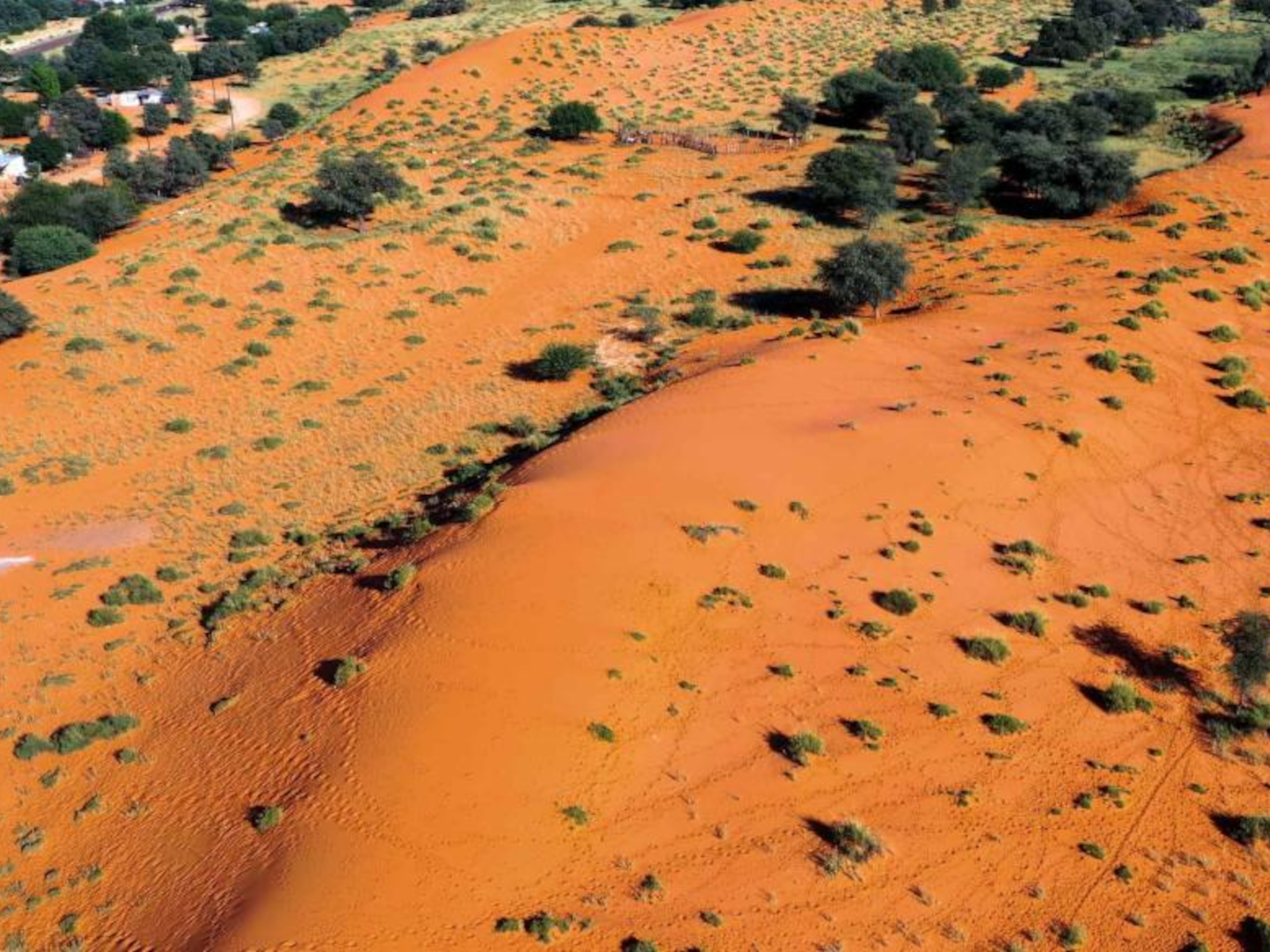
Pictured above: The Kalahari Desert in Botswana.
Image source: Botswana Tourism Organisation