Several industries have struggled keeping up with the rolling blackouts, none more so than the wine industry.
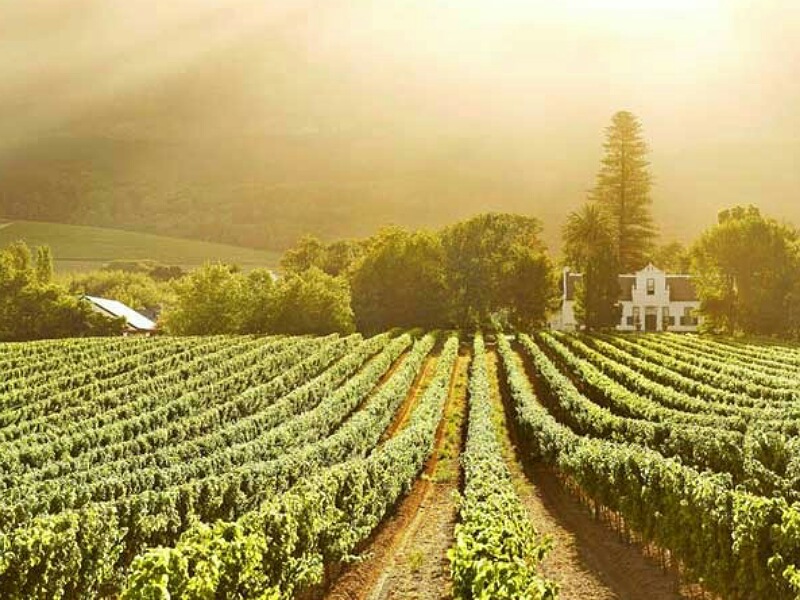
The picking and processing of the grapes has begun at this winery in the picturesque town of Darling, less than 80 km from Cape Town, in the west of the country.
Peter Pentz, Groote Post Vineyard communications manager, has raised fears over this year’s harvest.
He said 16 months from now, the grapes will be ready to be served to wine lovers as top quality wine.
The difficulty for vineyards is that this time of year coincides with the worst rolling power blackouts the country has ever experienced.
From the start of the year not a day has gone by without load shedding.
Pentz said without a generator all their operations come to a standstill as soon as the power cuts begin.
“Especially in the harvesting season, it’s vital for us to get the fermentation process started,” he said.
The BBC has reported that due to power outages, no labelling, no bottling and also no cooling takes place.
The vineyard has been forced to invest in a back-up generator, but the huge cost of diesel is driving up their costs.
Groote Post spends around R50,000 per month on diesel and the farm also has to buy the more expensive fuel for tractors and transport.
With wine generating $3bn (about R52bn) in revenue every year, South Africa is the eighth largest producer in the world. Around half of the wine which is made in the country is exported to overseas markets.
According to global accounting firm PwC, the South African economy could have increased by around 7%, instead of at less than 2% last year, if it hadn’t been for load shedding.
To try and alleviate some of the pressure, last month the Department of Agriculture set up a task team to monitor the impact of constant power outages.
Compiled by Mashudu Mabila
Pictured above: A vineyard in Cape Town
Image source: ComeToCapeTown