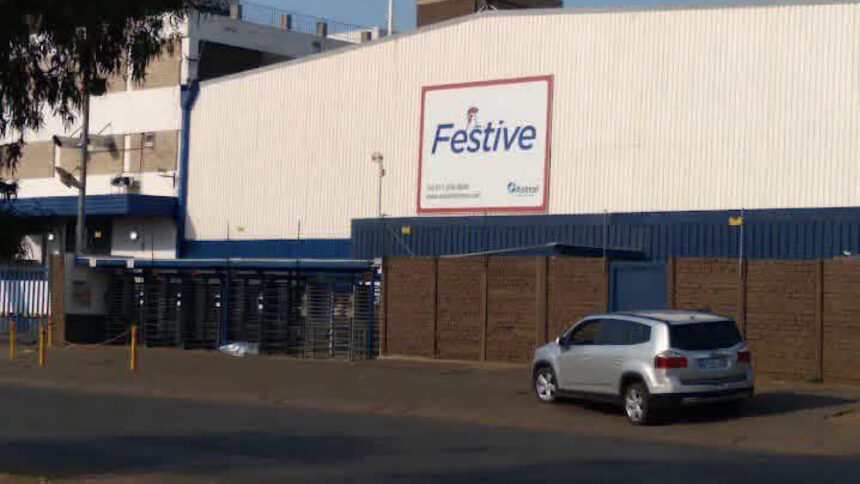
- A faulty pressure valve reportedly released dangerous ammonia gas at Festive Chicken in Olifantsfontein, sending 24 workers to hospital with breathing problems.
- Emergency teams found high ammonia levels at the factory before declaring the air safe, but affected workers could face weeks of recovery.
A normal day at work turned into a health scare for 24 workers at Festive Chicken in Olifantsfontein, Ekurhuleni, after dangerous ammonia gas escaped into the factory.
The workers were taken to hospital on Wednesday, 11 November 2026, after struggling to breathe.
Ekurhuleni emergency services spokesperson Eric Maloka said firefighters arrived to find several workers having trouble breathing.
They immediately called for medical help.
Paramedics treated the workers at the scene before taking them to hospital.
“A total of 24 patients were subsequently transported by ER24 and Gauteng Provincial Government (GPG) emergency medical services to nearby hospitals for further medical attention,” Maloka said.
He said maintenance work had started at the factory at about 6am.
But at around 4.23pm, a pressure valve reportedly failed, allowing ammonia gas to escape.
Workers breathed in the fumes, forcing emergency teams to evacuate everyone from the factory as a safety measure.
The factory’s engineering manager reported that ammonia levels reached 222 parts per million.
This is far above common workplace safety limits.
“Following the successful intervention and confirmation that ammonia levels had returned to zero, employees were given the go-ahead to return to work,” Maloka said.
But what does breathing in ammonia mean for the workers who ended up in hospital?
What is ammonia and why is it dangerous?
Ammonia is a gas with a strong, sharp smell. Chicken factories use it in cooling systems to keep meat cold.
It is also used in cleaning products and fertilisers.
When someone breathes in ammonia, it can irritate or burn their nose, throat and lungs.
A small amount can cause coughing, burning eyes and a sore throat.
Breathing in more of the gas can cause chest tightness, wheezing and serious breathing problems.
In severe cases, ammonia can damage the lungs, cause fluid to build up inside them and even lead to death.
How long will the workers take to recover?
Recovery depends on how much ammonia each worker breathed in and how badly their lungs were affected.
Workers with mild symptoms may feel better within a few hours or one to two days.
Those with more serious breathing problems may need several days or weeks to recover.
Workers with severe lung damage could need months of treatment. Some may suffer lasting breathing problems.
Doctors may give patients oxygen, medicine to help them breathe and other treatment depending on their condition.
There is no special medicine that immediately reverses ammonia poisoning.
Even workers who start feeling better may develop breathing problems later and should follow medical advice.
What does this mean for the 24 workers?
The biggest concern is whether any of the workers suffered serious lung injuries.
The ammonia reading of 222 parts per million shows that dangerous levels of gas were present. But it does not mean every worker breathed in the same amount.
Although emergency teams declared the factory air safe, this does not automatically mean workers who inhaled the gas are healthy enough to return to work.
Doctors must assess their condition and decide when they can safely return.
For workers and their families, serious lung injuries could mean missing work, medical costs and worries about their health.
Anyone who develops serious breathing problems after breathing in ammonia needs urgent medical attention.
Questions remain about how many of the 24 workers are still in hospital, whether any have suffered lasting lung damage and what medical care they will receive.
It is also not yet clear whether the faulty valve has been repaired and checked to prevent another leak.