- Inkosi Thanduyise Mzimela says politicians must remember the promises they made to voters before the elections.
- Nkosi Zanothando Lithalobom Mtirara warns that communities need functioning services, not negotiations centred on political positions.
The poor cannot eat coalition agreements, they need jobs, water, electricity and housing.
That is the warning from traditional leaders urging politicians to put communities ahead of personal ambitions as parties negotiate who will govern municipalities.
Inkosi Thanduyise Mzimela, secretary of South Africa’s Traditional Organisation and former chairperson of the Ingonyama Trust Board, said politicians must remember the people who voted for them.
“It is very painful that politicians continue with their tactics of forgetting voters after elections,” said Mzimela.
“We call on them to remember the needs of the people in these negotiations and put aside their personal differences.”
Inkosi Mandla Mahlangu, a traditional leader from Mpumalanga under the AmaNdebele kingdom, also criticised what he described as a focus on positions and personal grudges.
“These people are now showing their true colours that it was never about the people but it is all about them and their personal egos,” said Mahlangu.
He accused some politicians of allowing personal differences to stand in the way of negotiations.
Their appeals come as parties discuss governing arrangements following the 4 November local government elections.
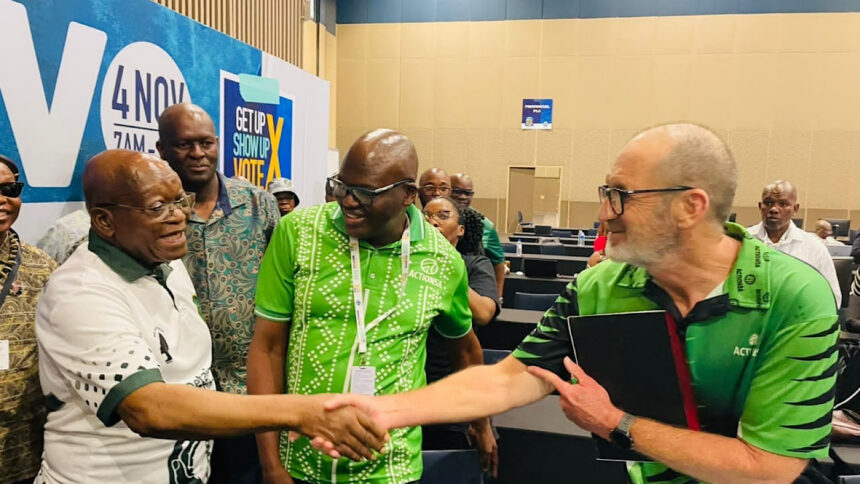
In KwaZulu-Natal, ActionSA has met the ANC and MK Party over hung municipal councils. The party said on Wednesday that discussions remained exploratory and no coalition agreement had been concluded.
In a statement, Nkosi Zanothando Lithalobom Mtirara of the Mthatha West Traditional Authority said voters had entrusted politicians with improving their lives.
“These people are desperate for improved service delivery, employment opportunities, economic development and better living conditions,” he said.
“Coalition negotiations should therefore not be about who gets which position, who becomes a mayor, or who controls particular portfolios.”
Mtirara said negotiations should instead produce practical plans to tackle poverty, create jobs and restore dignity.
He called on parties to demonstrate maturity and a willingness to work together.
“Political leadership is a responsibility and not an opportunity for self-enrichment,” he said.
“Our people cannot continue to suffer while political leaders negotiate for positions. The poor cannot eat coalition agreements; they need jobs, water, electricity, housing, healthcare and opportunities for a better future.”
Mtirara reminded politicians that their time in power would end, but their responsibility to serve remained.
“The people must come first. Service delivery must come first. The fight against poverty must come first.”