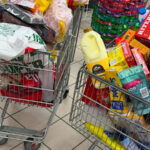
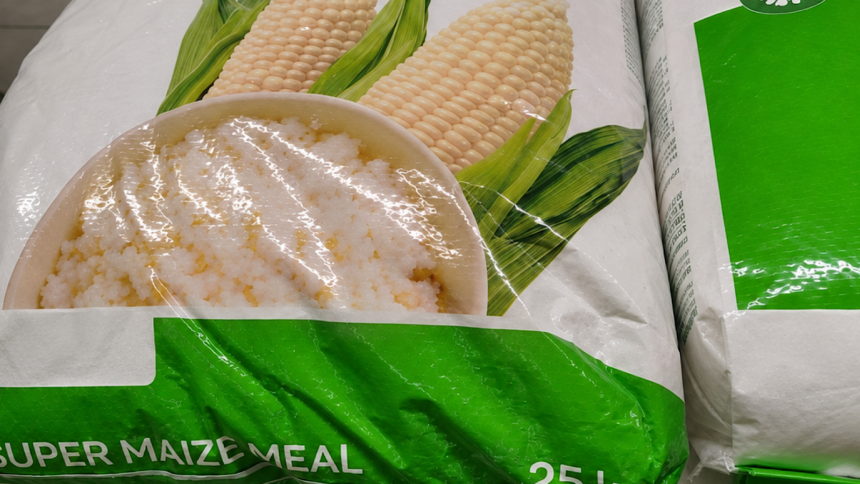
- A 5kg bag of maize meal averaged R64.85 in September, down 14% from R75.46 a year earlier.
- A projection puts the same bag at R126 by 2036 if cereal prices repeat their average annual increase between 2019 and 2025.
South Africans are paying less for pap than a year ago, giving households some breathing room at the till.
But a calculation based on past food inflation shows how that relief could disappear over time.

A 5kg bag of maize meal could cost about R126 by 2036 if cereal prices return to the average pace of increases recorded between 2019 and 2025.
That is almost double September’s average price of R64.85.
The projection, compiled by playcasino.com using Statistics South Africa data, is a calculation of what could happen under that assumption. It is not a prediction of what shops will charge.

For now, shoppers are getting some relief.
Stats SA’s figures put a 5kg bag at R64.85 in September 2026, down from R75.46 a year earlier. A 2.5kg bag averaged R38.55.
The larger bag also offered better value per kilogram. Shoppers paid about R12.97 a kilogram when buying 5kg, compared with R15.42 a kilogram for the smaller pack.
But families need more money upfront to buy the bigger bag.
Maize meal prices have swung sharply in recent years.
A 5kg bag averaged R52.32 in January 2022, the start of Stats SA’s current average-price series. It reached R77.55 in April 2025 before falling.
The longer-term calculation uses Stats SA’s cereal products index, which includes bread and rice as well as maize meal.
That index rose by about 49% between its 2019 and 2025 annual averages. This works out to an average compounded increase of roughly 6.9% a year.
Applying the underlying rate for another decade would take a 5kg bag to about R126 and a 2.5kg bag to about R75.
The same calculation shows what rising prices could mean for a household buying maize meal in larger quantities.
The Pietermaritzburg Economic Justice and Dignity group priced the 30kg maize meal allocation in its household food basket at R289.12 in October 2026.
Applying the same rate would take that monthly amount to about R562 by 2036, roughly R6,743 over a year.
That household basket is a separate price measure from Stats SA’s national urban average. It reflects prices collected in the areas the group monitors.
Actual prices will depend on harvests, production costs and conditions in the market. They will also differ between shops and brands.
For families counting every rand, the price cut is welcome. The projection shows how repeated annual increases could eat away at that saving.