- Lethu Ngobese, 19, says residents of Phumla Mqashi near Lenasia South struggle with broken toilets, water shortages, crime and limited healthcare.
- The first-time voter says nine years of worsening living conditions have convinced her to vote against the African National Congress in the local government elections.
At just 19 years old, Lethu Ngobese has spent almost half her life waiting for things to get better in Phumla Mqashi informal settlement near Lenasia South, south of Johannesburg.
But after nine years of watching her community struggle with water shortages, broken toilets, crime and poor healthcare, she has had enough.
Now, as she prepares to vote for the first time in the local government elections, Lethu has one thing on her mind: removing those in power.
For her, voting is not about political promises or colourful election posters. It is about the daily struggles of people who feel forgotten by those elected to serve them.
Lethu told Scrolla.Africa that her family has lived in the informal settlement for nine years, but instead of seeing progress, she has watched basic services get worse.
She says the African National Congress-led community has been left to struggle with problems that affect almost every part of daily life.
Even something as basic as getting water has become a challenge.
Residents depend on JoJo tanks, which are supposed to be filled by a water truck once a week.
But Lethu says the truck does not always arrive.
Sometimes, residents are told that the driver does not have petrol to deliver the water.
This leaves families uncertain about when they will receive their next supply.
The community also has toilets that were built but are not working.
For residents who already struggle to access clean water, broken toilets have become another burden.
Healthcare is another daily worry.
The entire settlement depends on one mobile clinic, which visits only on Wednesdays.
Residents can collect their medication, but Lethu says the queues are extremely long.
Those who need medical attention on other days must travel to the South Civic Centre clinic.
This means residents cannot depend on having a clinic available in their community throughout the week.
For families who need regular medical care, the limited service adds to the difficulties of living in the settlement.
But it is not only poor services that worry Lethu.
Crime has become another major concern for residents who say they need better protection.
She says the community desperately needs a satellite police station because of the crime residents face.
Without streetlights and community policing forums, she believes people have been left to protect themselves.
“Without street lights and community policing forums, we are left to defend ourselves against criminals who are also forced into criminality for survival,” said Lethu.
Her words point to another painful problem in the settlement: the lack of opportunities for young people.
Lethu says there are no youth development programmes or meaningful opportunities to help young residents build a better future.
She is worried about drug use among young people and what she describes as high rates of teenage pregnancy.
With few opportunities available, young people face difficult circumstances while trying to find their place in society.
Education also comes with challenges.
The settlement has only one primary school, while the nearest high school is about 30 minutes away.
This means children who finish primary school must travel outside their immediate community to continue their education.
For Lethu, these problems are connected.
A community without enough schools, youth programmes, reliable services or proper protection leaves young people facing obstacles before they have even started their adult lives.
She believes residents deserve more than promises that fail to improve their living conditions.
The local government elections will give voters the opportunity to choose councillors responsible for representing their communities and addressing local service delivery problems.
For Lethu, the election is personal.
She has grown up in a settlement where residents wait for water deliveries, queue for hours at a mobile clinic and live with the fear of crime.
She has seen toilets built but left unusable.
She has watched young people struggle in a community where she says opportunities are almost nonexistent.
And she has seen how difficult life can become when people cannot depend on basic services.
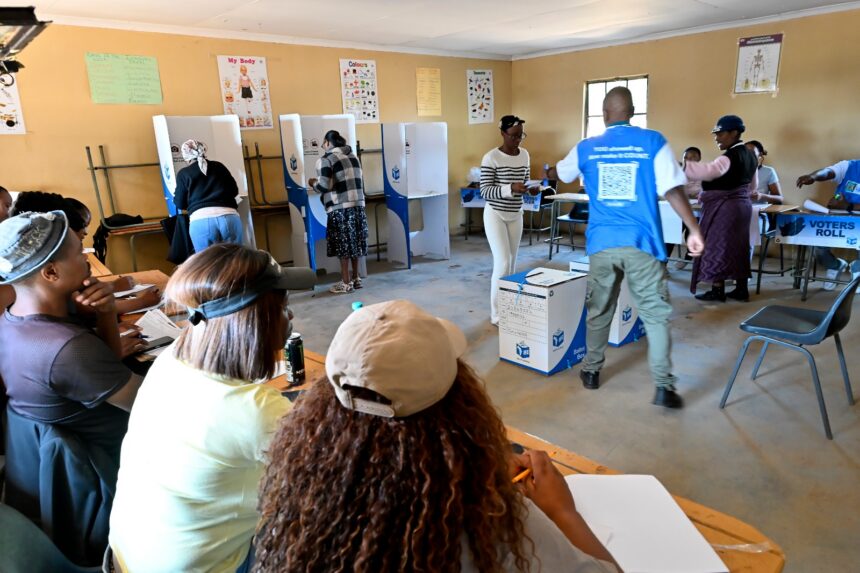
At 19, she is entering the voting booth for the first time with nine years of frustration behind her.
She does not believe the current leadership deserves another chance.
Her decision to vote is driven by the hope that removing those in power could open the door to change.
But the problems facing Phumla Mqashi will not disappear simply because another election takes place.
Residents still need working toilets, reliable water, accessible healthcare, safer streets and opportunities for their children.
They need leaders who will respond to the problems they face long after the election posters have come down.
For Lethu, the question is no longer whether she should vote.
It is whether her first vote can help bring change to a community where she says life has become harder with every passing year.
After nine years of waiting for better services, she is ready to make her voice heard at the ballot box.