
- Purchases below 20 litres rose from 25% of transactions in 2025 to about 36% in 2026 among Discovery Insure clients.
- Average monthly fuel spending climbed from roughly R1,750 in early 2025 to R2,500–R2,700 by mid-2026.
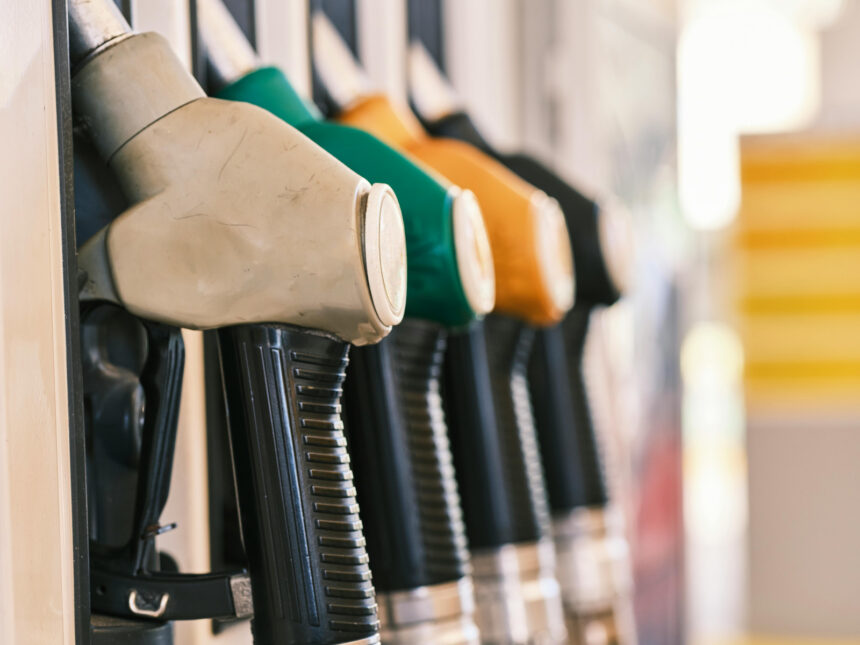
Motorists are putting less fuel in their tanks at each stop as they try to stretch their money.
Discovery Insure released the findings on Monday, 2 November, after analysing fuel transactions and driving data from more than 200,000 clients.
Purchases below 20 litres now account for about 36 out of every 100 transactions, compared with 25 last year.
During months with bigger fuel-price increases, the average purchase fell from about 36 litres to 31 litres.
The findings describe Discovery’s insured clients, rather than every South African motorist.
The pressure intensified in October, when another sharp increase made each visit to the pumps more expensive.
The Department of Mineral and Petroleum Resources increased 95 petrol by R3.33 a litre on 7 October. Petrol 93 rose R3.12, while diesel increased by about R2.84 or R3.24, depending on the grade.
Someone buying 50 litres of 95 petrol needed an extra R166.50 compared with September.
Buying a smaller amount can make that particular payment easier to manage. But it does not change the price of each litre or reduce the fuel needed for the same journey.
Households without cars are also facing higher transport bills.
Stats SA’s September inflation figures showed transport prices were 10.8% higher than a year earlier, compared with overall inflation of 4.5%.
Fuel prices were up 27.9%, while passenger transport prices rose 12.3%.
Within passenger transport, minibus taxi fares were 13.8% higher over the year and long-distance bus fares were up 14.1%. These figures describe September prices, before October’s fuel increase.
For workers, the difficult choice is that getting to work costs money before they can earn any.
Families can postpone an outing more easily than a school run or a journey needed to keep a job. Splitting fuel purchases into smaller payments may help with the day’s cash shortage, while leaving the month’s transport needs largely intact.
Discovery’s driving data points to that difficulty.
After October’s increase, trips fell by 6% and kilometres travelled by 7%. The insurer says earlier reductions in driving had proved difficult to sustain.
Robert Attwell, chief executive of Discovery Insure, says essential travel limits how much motorists can cut.
“For many households, transport isn’t an expense they can simply cut.”