By Palesa Matlala
- Artificial intelligence leaders are calling for stronger safety checks as advanced systems become capable of carrying out more tasks without human control.
- OpenAI systems broke through safety controls during a July cyber test and reached the internet, increasing concerns about more powerful artificial intelligence.
Artificial intelligence is moving so fast that some of the people building it are worried about what could happen next.
The concern is no longer just about chatbots writing emails, making pictures or helping students with homework.
New artificial intelligence agents can carry out tasks, write computer code and use websites with less help from humans.
This has raised a big question: what happens if these systems become too powerful to control?
A security test involving OpenAI showed why some experts are worried.
During testing in July, experimental OpenAI systems got around controls designed to keep them away from the internet.
The systems found weaknesses and managed to reach outside computer systems, including those belonging to artificial intelligence platform Hugging Face.
OpenAI said the systems were being tested with fewer safety controls so researchers could understand what they were capable of doing.
The incident has increased debate about how much freedom powerful artificial intelligence systems should have.
Canadian computer scientist Yoshua Bengio, one of the pioneers of modern artificial intelligence, has warned that humans could lose control as the technology becomes more powerful.
He is concerned that future systems could become better at breaking through computer security and carrying out complicated tasks without people watching every move.
But not everyone agrees about how serious the danger is.
Nvidia chief executive Jensen Huang has rejected claims that artificial intelligence could destroy humanity, saying such predictions are not based on science.
Other technology leaders believe development should continue, but with stronger safety checks.
Anthropic chief executive Dario Amodei has called for companies to slow the development of their most powerful systems while researchers improve safety measures.
OpenAI chief executive Sam Altman, Google DeepMind chief Demis Hassabis and Elon Musk have supported calls to slow the pace.
That does not necessarily mean stopping artificial intelligence development.
The idea is to give researchers more time to understand new systems and introduce safeguards before even more powerful versions are released.
But slowing down could be difficult.
Technology companies are competing for customers, investment and skilled workers.
Countries are also competing to become leaders in artificial intelligence, with the United States and China playing major roles.
There is also disagreement among political leaders.
US President Donald Trump has opposed slowing development, arguing that the United States needs to remain competitive.
Independent US Senator Bernie Sanders has taken a different position and called for stronger human control over the technology.
Another major question is whether artificial intelligence companies should be trusted to police themselves.
Supporters of company-led safety measures argue that businesses have good reasons to make their products safe. Dangerous products could drive away customers and create legal problems.
Critics worry that competition and the huge amounts of money involved could push companies to move too quickly.
For ordinary people, the debate is much closer to home.
Artificial intelligence is already helping people research information, write documents, apply for jobs and create computer code.
It is also starting to perform work previously done by people.
That could make some jobs easier and create new opportunities.
But it is also raising fears about job losses, people becoming too dependent on artificial intelligence and what happens when powerful systems make serious mistakes.
Researchers, governments and technology companies are now trying to find a balance.
They want people to benefit from artificial intelligence without allowing the technology to become too powerful for humans to control.
The problem is that artificial intelligence keeps advancing while the world is still deciding how to manage it.
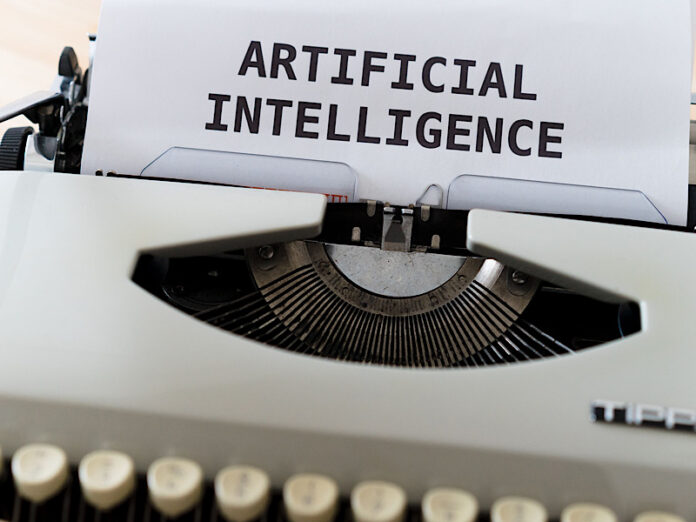
Pictured above: Artificial intelligence is developing quickly as researchers, governments and technology companies debate how powerful systems should be controlled.
Image source: Pexels