
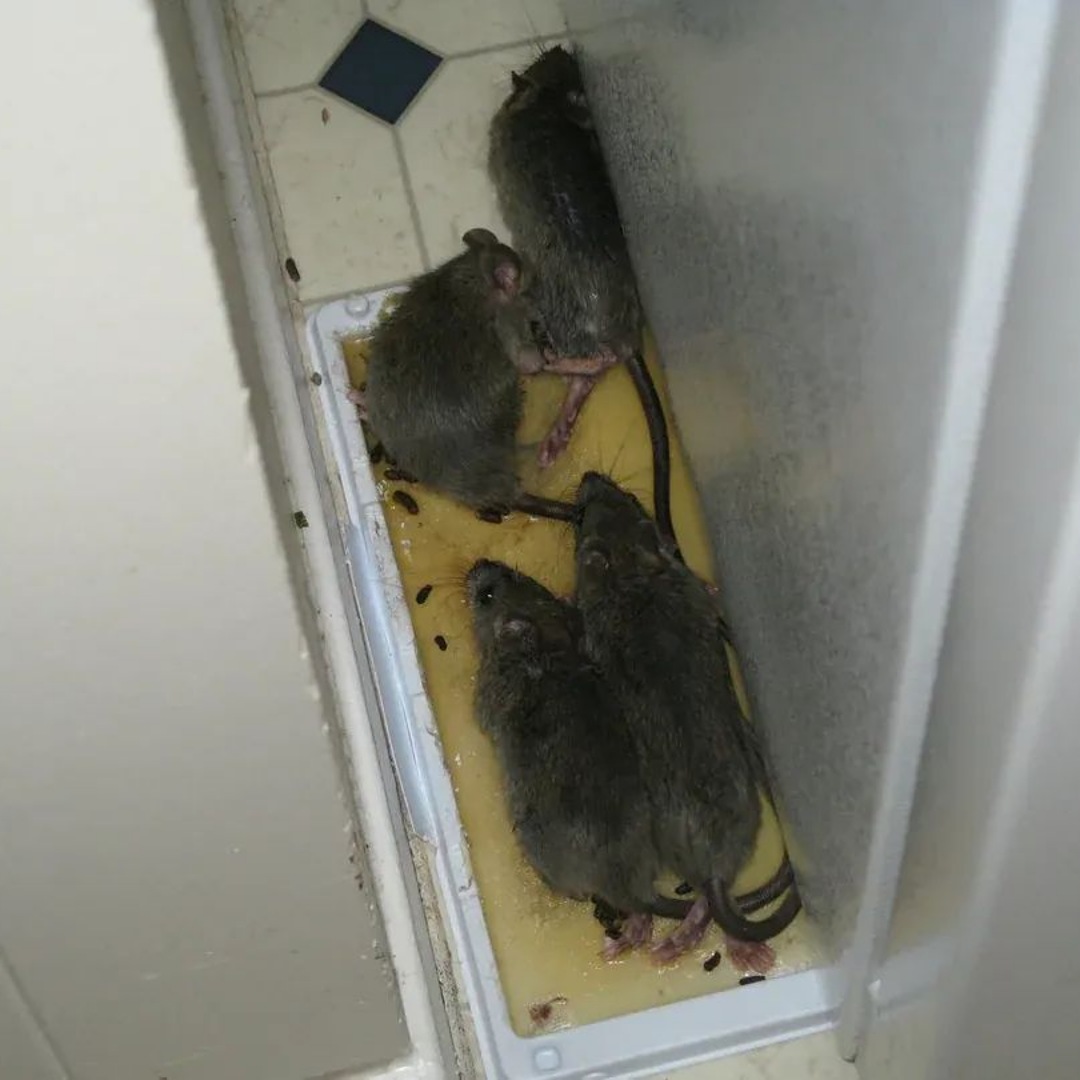
• Community leaders say rats damage food, clothing, electrical appliances and even bite people while they sleep.
• The Cape of Good Hope SPCA wants glue traps banned, saying they are cruel and do not solve the root cause of rodent infestations.
Cape Town township residents say they are fighting two battles.
One is against rats.
The other is against a proposal to ban one of the few weapons they say actually works.
Families in Khayelitsha, Nyanga, Gugulethu and Philippi have reacted angrily to calls by the Cape of Good Hope SPCA to ban glue traps because of concerns about animal cruelty.
Residents say they understand the concern for animals.
But they ask who will protect families living with rats every day.
Nokuzola Machelele from Khayelitsha said she was shocked when she heard about the proposed ban.
“I thought it wasn’t true. If the SPCA wants glue traps banned, it must first give us another solution because rats are making our lives miserable,” she said.
She said rats chew through electrical wiring, damage televisions and fridges and destroy household belongings.
Machelele believes glue traps are safer than poison because many homes have young children.
“We have kids, and using glue traps is safer than rat poison. Children can accidentally get hold of poison. With glue traps, you can see the rat and remove it. When you use poison, the rat dies somewhere in the house and you don’t know where it is,” she said.
Nyanga Community Policing Forum secretary Dumisani Qwebe said rats are becoming a serious problem in many communities.
He said they destroy food, clothes and household items while also affecting people’s mental wellbeing.
“We have residents who are bitten by rats while they are sleeping. We cannot expect people to do nothing,” he said.
Qwebe said residents in informal settlements often run away when they see large rats because they have become so common.
“If the SPCA wants these traps banned, they must first provide another solution that works,” he said.
Ward 40 councillor Bongani Ngcombolo agreed that many residents rely on glue traps because they are effective.
He said poison supplied by the municipality can also help, but many people still prefer glue traps because they believe they are safer inside homes with children.
“I don’t think the SPCA should call for a ban without giving people another practical option,” he said.
The Cape of Good Hope SPCA says the issue is not whether rats should be controlled, but how.
Spokesperson Belinda Abraham said glue traps are cruel because animals remain stuck and suffer before they die.
She said the traps also fail to stop infestations because they only catch individual rodents.
“Glue traps do not provide that solution. They catch individual animals without addressing the conditions allowing rodents to enter, feed and breed,” she said.
Abraham said long term rodent control starts by blocking entry points, storing food properly, removing rubbish, eliminating water sources and sealing gaps in roofs, walls and around appliances.
She said this approach, known as integrated pest management, is the most effective way to stop rats from entering homes.
Despite years of awareness campaigns, Abraham said glue traps remain widely available and continue to cause unnecessary suffering to animals.
For many township residents, however, the debate is simple.
Until a better solution is available, they believe taking glue traps off shop shelves will leave families to face the growing rat problem on their own.
Pictured above: A glue trap used to catch rodents.
Image source: Facebook.