
By Rorisang Modiba
- A BMA study commissioned by the Localisation Support Fund found retailers could source 80-million extra garments locally by 2030.
- Energy costs, crime, cheap imports and a lack of skills are blocking South Africa’s clothing sector from growing.
A new study says South Africa’s clothing and textile industry has the potential to create more than 34,000 jobs, but serious problems are holding it back.
The research, conducted by BMA and commissioned by the Localisation Support Fund (LSF), combined retailer demand data with a nationwide survey of nearly 200 garment manufacturers.
It found that demand for locally made clothing is growing. Retailers want to buy more from local factories because it helps them restock faster, respond to fashion trends and avoid supply chain disruptions.
If local companies become more competitive, retailers say they could source up to 80-million extra garments locally by 2030, worth around R7.9-billion a year. About half of those opportunities are in t-shirts, denim and athleisure wear.
But several barriers are stopping companies from grabbing this opportunity.
Large and medium-sized manufacturers say their biggest problem is competition from cheap imports and factories that ignore labour and regulatory rules. Many businesses believe enforcement is too weak.
Skills shortages are also a major challenge. About 70% of companies say they need help with production management. Many also report gaps in technical and industrial engineering skills.
Rising costs are putting further pressure on businesses. Companies face higher prices for raw materials, energy and fuel. Import duties on fabrics not made locally push costs up even more.
Infrastructure problems add to the strain, with manufacturers reporting delays caused by inefficient ports, poor roads and unreliable municipal services.
Ultra-low-cost online platforms such as Shein and Temu were also highlighted as a major threat, selling clothing at prices local producers cannot match.
The study says the sector is capable and motivated, but held back by systemic problems rather than a lack of demand.
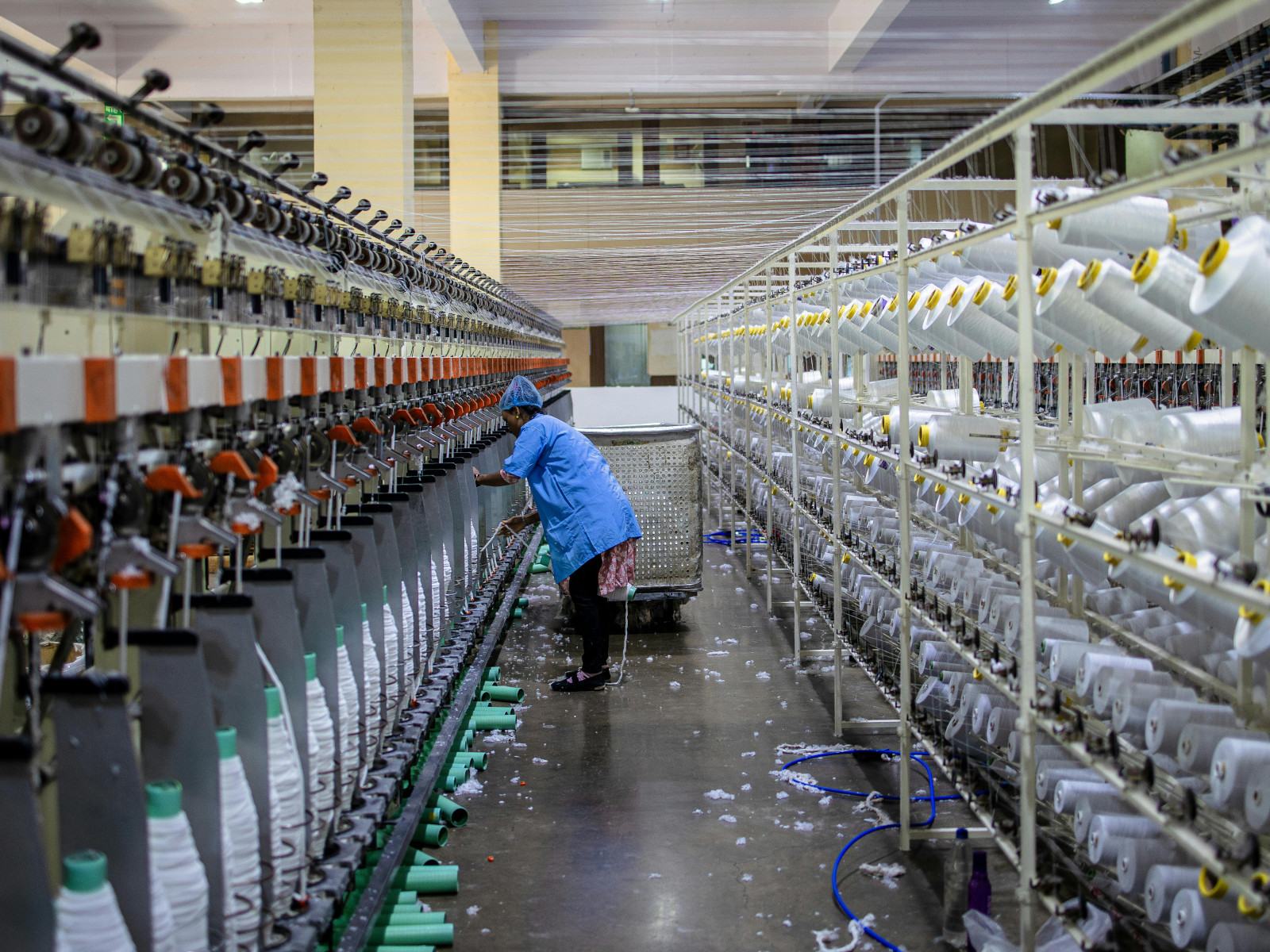
Pictured above: A textile factory.
Image source: Pexels