
• Twenty small-scale fishers from Saldanha Bay and surrounding communities completed skipper and business training and received equipment to improve their fishing operations.
• South African National Parks is expanding support for coastal communities through a R10.8-million programme covering fishing communities near seven marine protected areas.
For generations, fishing has helped put food on tables and money in pockets along the Cape West Coast.
Now 20 small-scale fishers from Saldanha Bay and nearby communities have been given new skills to help them make safer trips to sea and stronger businesses on land.
The fishers have completed training in skipper competency and business planning through a South African National Parks programme supporting communities living around protected areas.
They have also received fishing equipment to help improve their operations.
South African National Parks spokesperson JP Louw said the project was about giving communities practical ways to build sustainable livelihoods.
“The training forms part of SANParks’ commitment to equipping neighbouring communities with practical skills, strengthening local enterprises and expanding access to sustainable economic opportunities,” Louw said.
“SANParks has also provided fishing equipment to the cooperatives and continues to support their participation in the fishing value chain.”
For small-scale fishers, knowing how to catch fish is only one part of earning a living.
They also have to run their operations safely and build businesses that can survive.
Skipper training can help fishers meet safety requirements and operate vessels more confidently, while business planning can help cooperatives manage their operations and look for new opportunities.
Louw said support was also being provided to local micro, small and medium enterprises to strengthen their businesses and help them reach procurement and wider market opportunities.
The Saldanha Bay training forms part of a much bigger push by South African National Parks to connect conservation with the livelihoods of people living near national parks and protected waters.
In February 2026, the organisation launched a R10.8-million Marine Economy Small-Scale Fisheries Support Programme in Hondeklip Bay in the Northern Cape.
The three-year programme is aimed at fishing communities near seven South African National Parks marine protected areas.
It is designed to improve access to the marine economy while encouraging responsible fishing and protecting marine ecosystems.
The programme has been growing for years.
It started as a pilot project in the Wilderness section of Garden Route National Park in 2018 before expanding to other coastal parks.
In April 2025, more than 370 fishers from communities neighbouring Table Mountain National Park received support through an initial R800,000 investment.
That included workshops on safe and sustainable fishing, business management and marketing.
Fishers also received fishing gear and protective equipment.
A later phase brought together 40 people representing 20 primary cooperatives linked to Table Mountain National Park, West Coast National Park, Agulhas National Park and the Cape Town metro.
The latest Saldanha Bay training therefore forms part of a wider effort rather than a once-off project.
It also ties directly into South African National Parks’ Vision 2040.
The strategy aims to change the relationship between protected areas and neighbouring communities by linking conservation to jobs, skills, businesses and other economic opportunities.
South African National Parks says national parks should not operate as isolated areas while communities living around them struggle with poverty and unemployment.
That approach is particularly important on the West Coast, where fishing and conservation exist side by side.
Plans for the West Coast National Park marine protected areas include continued support for local fishing communities.
South African National Parks documents say the organisation supports historical net fishers with equipment and legal access to marine resources, while the national environment department remains responsible for fishing rights and permits.
The plans also identify Saldanha and Langebaan fishing cooperatives as communities that should benefit from projects linked to the area’s marine resources.
There is another challenge hanging over the future of West Coast fishing: changes in the ocean itself.
South African National Parks has identified climate change as a threat to fishing communities around the West Coast National Park.
Its planning documents warn that changing ocean conditions could affect important species and ultimately threaten fishing livelihoods.
The organisation says helping communities find additional ways to earn money could make them less vulnerable if fish stocks and marine conditions change.
That makes programmes teaching both practical fishing skills and business skills increasingly important.
For the 20 fishers who have completed their latest training, the immediate benefit is much simpler.
They leave with new qualifications, equipment and business knowledge that could help turn generations of fishing experience into safer and more sustainable livelihoods.
And for South African National Parks, that is part of a much larger goal: protecting the country’s natural resources while making sure communities living alongside them can also benefit.
This is a developing story.
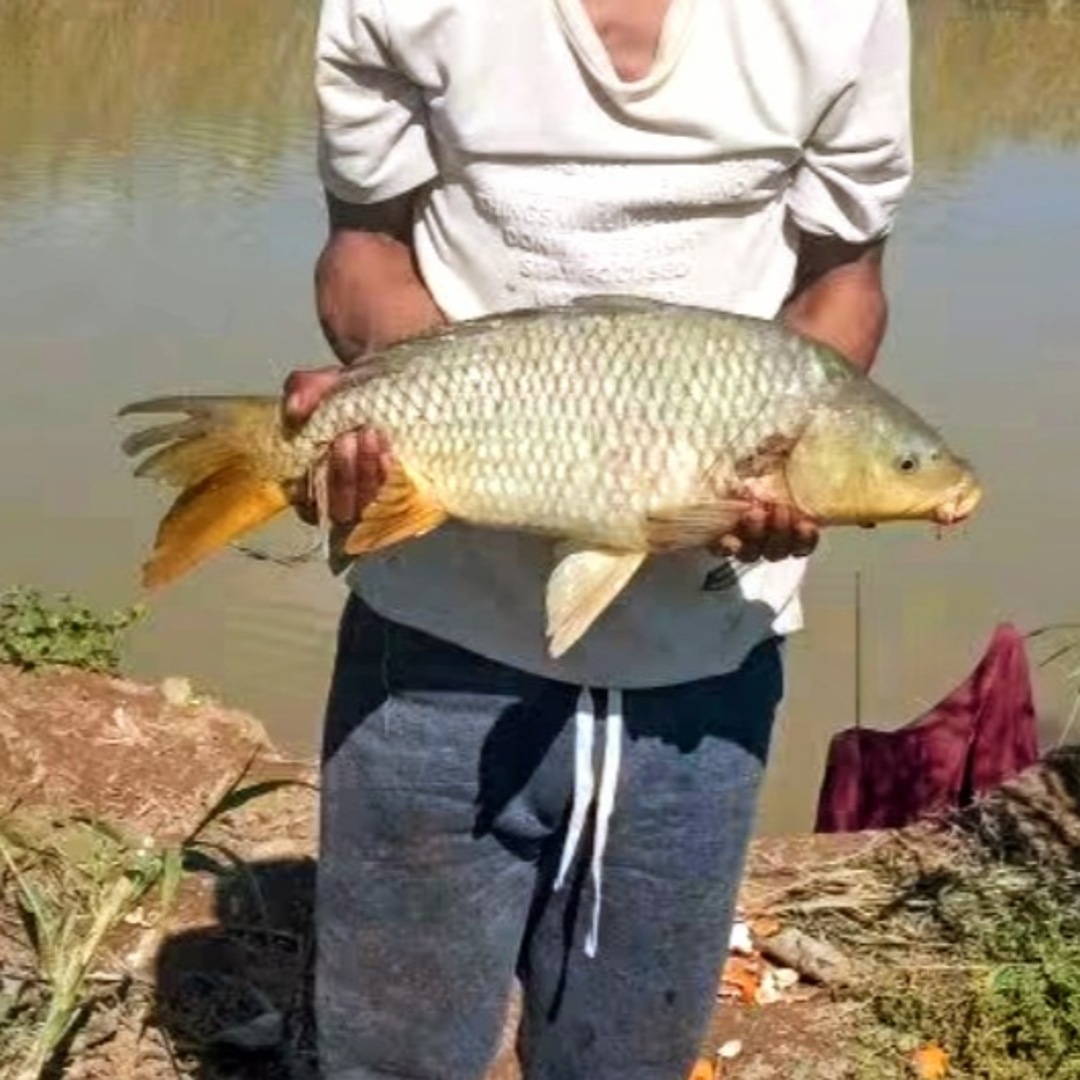
Pictured above: Small-scale fishers from Saldanha Bay and surrounding West Coast communities.
Image source: File.