
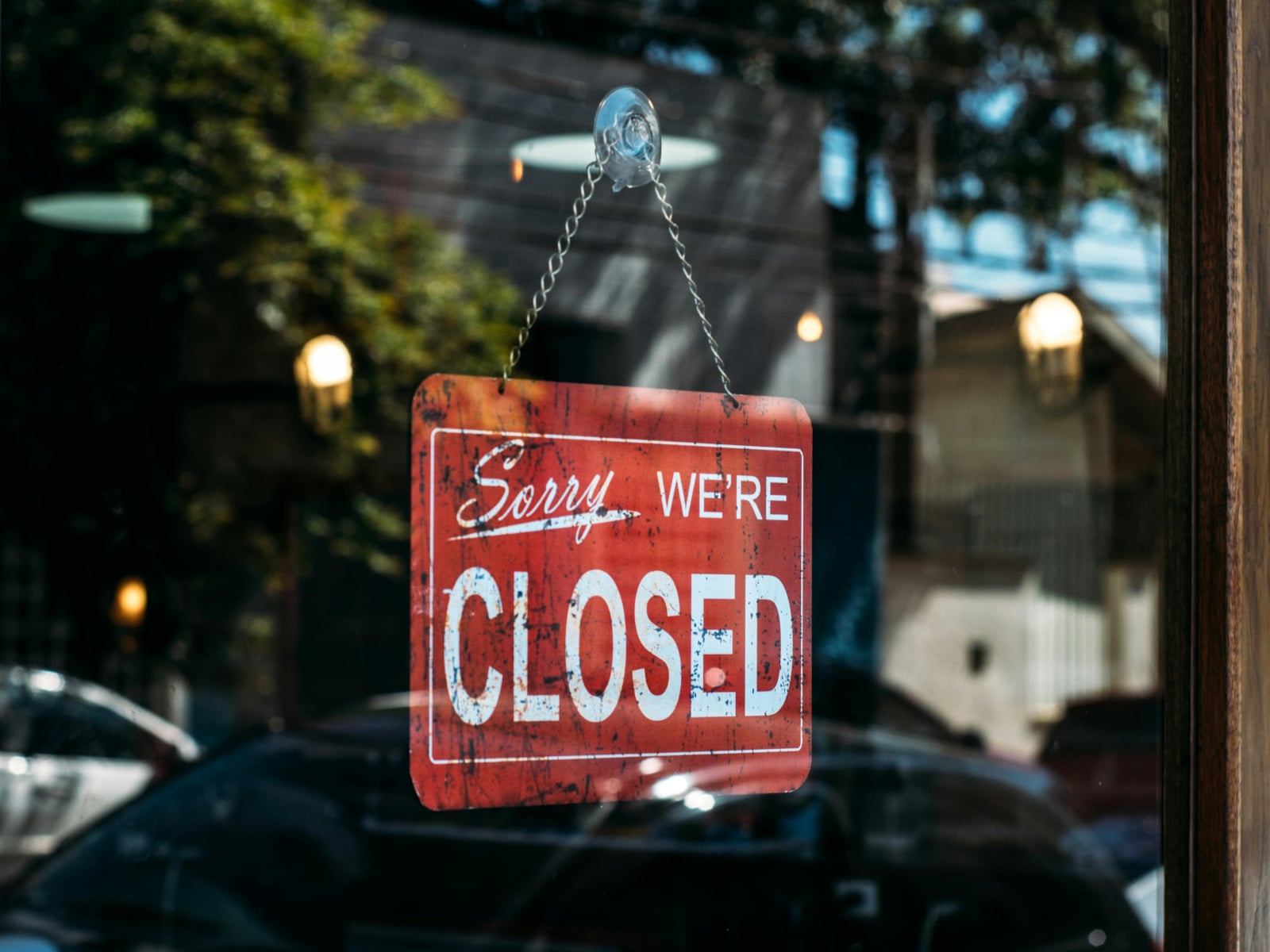
- South Africa’s township economy is estimated to be worth more than R900 billion a year, but many small businesses still struggle to survive.
- Mastercard says digital payments and online shopping could help township entrepreneurs reach more customers and grow their businesses.
Every morning, township businesses open their doors to make a living and create jobs.
In Soweto, spaza shops sell daily essentials. In Alexandra, young designers advertise clothes online. In Tembisa, salon owners welcome customers and provide work for hairdressers.
These businesses feed families, create jobs and keep money moving in communities.
Yet many are struggling to survive because of rising costs, expensive stock, limited funding and tough competition.
According to government figures, small businesses account for 91% of formal businesses, support around 60% of employment and contribute up to 34% of South Africa’s economy.
The township economy alone is estimated to be worth more than R900 billion a year.
But if township businesses contribute so much, why do so many struggle to grow?
Technology opens new doors
Digital technology is helping entrepreneurs reach customers beyond their neighbourhoods.
A designer in Soweto can advertise clothes on WhatsApp, Facebook or TikTok and sell to customers in Cape Town. Spaza shops can accept card payments, while hairdressers can attract customers through social media.
Mastercard’s SME Confidence Index found that 55% of surveyed small businesses see easy digital payments as an opportunity for growth, while 51% want safer payment systems.
Online shopping is also booming.
Mastercard’s Online Retail in South Africa 2026 research projects that South Africans will spend R159 billion online this year, accounting for around 10% of retail sales, compared with just 1% a decade ago.
This creates opportunities for township businesses to reach more customers and increase sales.
But expensive data, unreliable electricity, delivery costs and limited funding remain major obstacles.
Mastercard backs small businesses
Mastercard’s division president for Africa, Gabriel Swanepoel, said partnerships between banks, government and technology companies could help small businesses grow.
“Collaboration is what turns a digital opportunity into real growth for a small business,” he said.
“A business today is no longer limited to the street where it begins. With the right partnerships and tools, it has the capability to scale anywhere.”
Mastercard says its efforts form part of a global commitment to help 500 million people and small businesses improve their financial health.
For township entrepreneurs, however, success means more than having access to technology.
It means a spaza shop owner buying more stock, a designer reaching customers nationwide and a salon owner employing more people.
South Africa has no shortage of hardworking entrepreneurs. What they need is access to funding, bigger markets and a fair chance to succeed.
Starting a business is hard enough. Growing it should not be an even bigger struggle.