
- Rotavirus spreads easily and can cause severe vomiting and watery diarrhoea, putting babies and young children at greatest risk of dangerous dehydration.
- No tears, dry mouths, fewer wet nappies, unusual sleepiness and refusing fluids are five dehydration warning signs parents and crèche teachers must know.
Parents and crèche teachers have been warned to watch babies and young children closely as South Africa’s rotavirus season continues.
The National Institute for Communicable Diseases (NICD) has reported a sharp increase in rotavirus cases in Pretoria, with one death recorded.
The institute said the 2026 rotavirus season is still under way across South Africa. Sadly the virus usually peaks during the cooler and drier months.
Rotavirus is a highly contagious virus and one of the most common causes of severe diarrhoea in babies and young children around the world.
It spreads mainly when tiny amounts of infected faeces get into another person’s mouth.
This can happen through contaminated hands, surfaces and objects.
The virus can spread quickly between young children, making good hygiene particularly important in homes, crèches and other places where children spend time together.
Symptoms usually appear suddenly.
A child may start vomiting before developing frequent watery diarrhoea without blood.
Fever affects about 30% to 50% of patients.
Children may also lose their appetite, become tired or experience mild stomach discomfort.
Rotavirus is extremely common among young children.
The NICD says most children have experienced at least one rotavirus infection by the age of two.
Before vaccines became widely available, rotavirus infected nearly every child worldwide by the age of three to five.
In countries without rotavirus vaccination, the virus has been linked to between 35% and 60% of acute severe diarrhoea cases among children younger than five.
South Africa introduced rotavirus vaccination into its routine childhood vaccination programme in 2009.
NICD data has previously shown that the introduction of the vaccine led to an estimated 50% reduction in rotavirus hospital admissions among young children.
Anyone can become infected with rotavirus, but babies and young children face the greatest danger from severe illness.
The biggest threat is not simply the diarrhoea itself.
It is dehydration.
Vomiting and diarrhoea can cause a child’s body to lose water and other fluids very quickly.
Babies are particularly vulnerable because their bodies are small and they can become dangerously dehydrated much faster than adults.
Children who cannot drink or keep fluids down need particularly close attention.
Five warning signs parents and crèche teachers must know:
No tears when crying: Watch a child’s eyes when they cry. A child who produces very few or no tears could be losing too much fluid. This should not be ignored when the child also has vomiting or diarrhoea.
Dry mouth or sunken eyes: A dry mouth and sunken eyes can be warning signs of dehydration. In babies, a sunken soft spot on the head can also be a danger sign.
Fewer wet nappies: Parents and crèche teachers should keep track of how often a child urinates.The NICD says having no wet nappy for six to eight hours can indicate dehydration. Older children may also urinate much less than usual.
Child becomes sleepy or limp: Children who are ill may naturally sleep more. But unusual sleepiness, extreme tiredness, listlessness or becoming limp should raise the alarm. A child who is difficult to wake needs urgent medical attention.
Refusing food or drinks: A child who refuses fluids or feeds faces a greater risk of dehydration. The same applies when the child tries to drink but keeps vomiting and cannot keep fluids down. Other danger signs
Parents and crèche teachers should also watch for dark urine, cold or discoloured skin, fast breathing or a rapid heartbeat.
Another serious warning sign is skin that stays raised longer than normal after being gently pinched.
Severe dehydration is a medical emergency.
A child showing serious signs of dehydration should be taken to the nearest clinic or healthcare facility immediately.
What parents should do:
Children suffering from diarrhoea need fluids.
Mothers should continue breastfeeding babies.
Parents and caregivers should also increase children’s fluid intake.
Oral rehydration solution can help replace the water and salts lost through diarrhoea and vomiting.
The National Institute for Communicable Diseases advises parents to give oral rehydration solution to children with diarrhoea and, where possible, continue giving it while travelling to a healthcare facility.
Parents should not stop breastfeeding or feeding a child simply because the child has diarrhoea unless a healthcare professional tells them to do so.
Persistent vomiting and watery diarrhoea should never be ignored, especially in babies and young children.
Rotavirus can be prevented from causing many cases of severe illness through vaccination.
South Africa introduced rotavirus vaccination into its Expanded Programme on Immunisation (EPI) in 2009.
The vaccine is given to babies as part of the routine childhood vaccination programme.
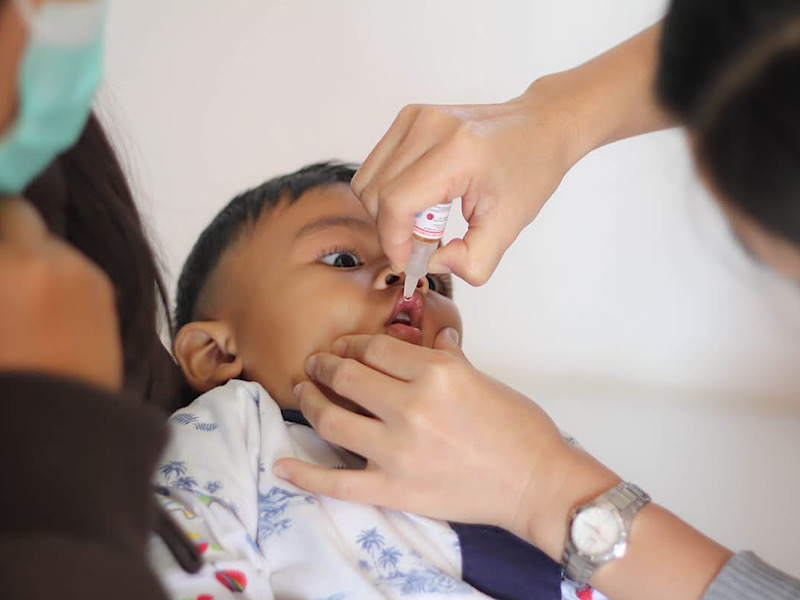
Unlike many vaccines that are injected, rotavirus vaccines are given by mouth.
The World Health Organisation recommends rotavirus vaccination as part of national childhood vaccination programmes and says available vaccines are highly effective at preventing severe rotavirus illness.
Vaccination does not mean a child can never get diarrhoea or rotavirus.
Its important job is to reduce the risk of severe disease that can lead to dangerous dehydration and hospital treatment.
Parents should check that their babies are up to date with their routine vaccinations.
Antibiotics will not kill rotavirus because it is caused by a virus and not bacteria.
They should not be used to treat rotavirus unless a healthcare professional prescribes them for another confirmed condition.
The most important message for parents and crèche teachers is not to wait until a sick child becomes dangerously weak.
Spotting dehydration early, replacing lost fluids and getting medical help quickly can prevent serious complications, hospitalisation and death.
Pictured above: Parents and crèche teachers have been urged to watch children closely for signs of dehydration during the rotavirus season.
Image source: NICD