- Ramaphosa ordered four urgent measures with strict deadlines to tackle stalled cases, forensic backlogs, unsafe public spaces and alcohol-related violence.
- Police have made four arrests linked to three Ekurhuleni murders, while investigators have not found evidence pointing to a single killer.
Publish time: 2026-09-30 09:20
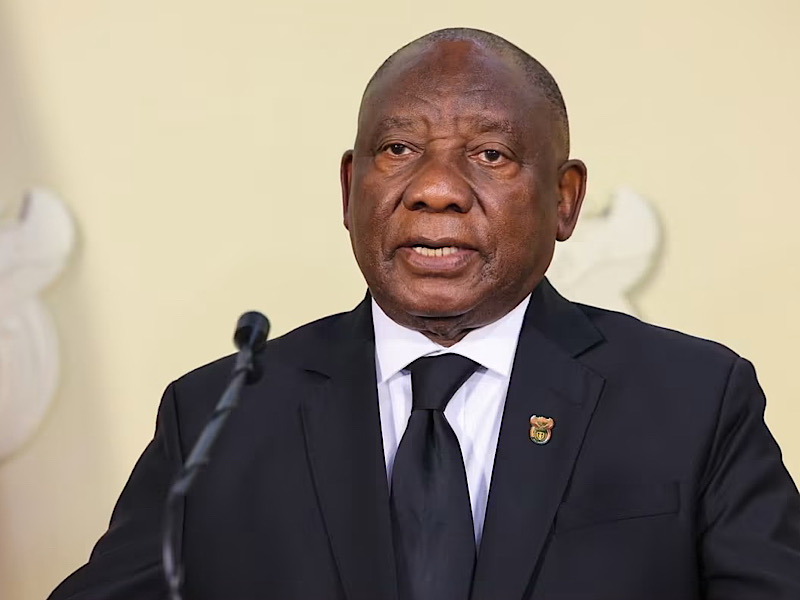
President Cyril Ramaphosa says women should not have to change how they live because they fear violence from men.
Ramaphosa addressed the nation on Tuesday night, 29 September, as anger grows over the killing of women in Ekurhuleni and across South Africa.
He said gender-based violence and femicide starts long before a woman is attacked.
“It begins in attitudes that regard women as inferior. It begins with the belief that a man has the right to control a woman,” Ramaphosa said.
He said jealousy should not be confused with love and control should not be mistaken for protection.
“It begins when a man refuses to accept the word no,” he said.
Ramaphosa said 11 women’s bodies had been found in Ekurhuleni since July. Cabinet said earlier on Tuesday that the number had since increased to 13.
The count has grown steadily since we last reported nine confirmed victims, and Scrolla.Africa is working to confirm how the newly cited victims relate to those previously named in our coverage.
Police have arrested four suspects linked to three of the murders. One suspect was arrested over the killing of Ntombifuthi Nxumalo. Two suspects have appeared in court over the killing of Jabulile Ntimba, and another suspect is in custody over the murder of Busisiwe Mahlangu.
Police have collected DNA, blood samples, clothing, cellphones and cellphone records in other cases. The Council for Scientific and Industrial Research is helping with digital forensic work.
Ramaphosa said police had not found evidence showing the killings were the work of one person.
“All possibilities remain under investigation,” he said.
He promised grieving families that their cases would not be forgotten.
“These cases will not be allowed to go cold,” he said.
Ramaphosa also urged people to report missing loved ones immediately. Only two of the women found dead in Ekurhuleni had been reported missing. There is no rule requiring families to wait 24 hours before reporting someone missing.
“If you know something, say something,” he said.
He announced four urgent measures aimed at fixing failures in the fight against violence against women and children. Within 60 days, authorities must audit unresolved murders, attempted murders, rapes and serious sexual offences involving women and children. Police and forensic authorities must also produce a funded plan within 60 days to tackle forensic backlogs.
Municipalities must carry out safety audits to find dangers including broken streetlights, abandoned buildings, unsafe transport routes and poorly secured parks. Cabinet must also receive proposals within 60 days aimed at reducing alcohol-related violence.
Ramaphosa said government action alone would not end the crisis. He called on men and boys to challenge friends, relatives and colleagues who abuse or harass women.
“It is time for good men to stop being silent men,” he said.
He said women should not have to avoid going out at night, change their routes home or constantly warn each other about dangerous men.
“Women should not have to reorganise their lives around the threat of male violence,” he said.
Free SA spokesperson Gideon Joubert criticised the government’s record, saying Ramaphosa had addressed the country about the same crisis seven years earlier.
Democratic Alliance leader Geordin Hill-Lewis also criticised the response, saying there remained a gap between government announcements and women’s experiences in their communities.
The International Women’s Forum South Africa, Gender-Based Violence and Femicide Response Fund and Graça Machel Trust welcomed the deadlines and commitments but said the promises now had to produce action.
Action Society’s Juanita du Preez called on the government to publish information on backlogs and show how stalled cases and protection orders would be dealt with.
Ramaphosa said responsibility for violence rests with the person who commits it.
“The women of South Africa should not have to fight gender-based violence alone,” he said.