
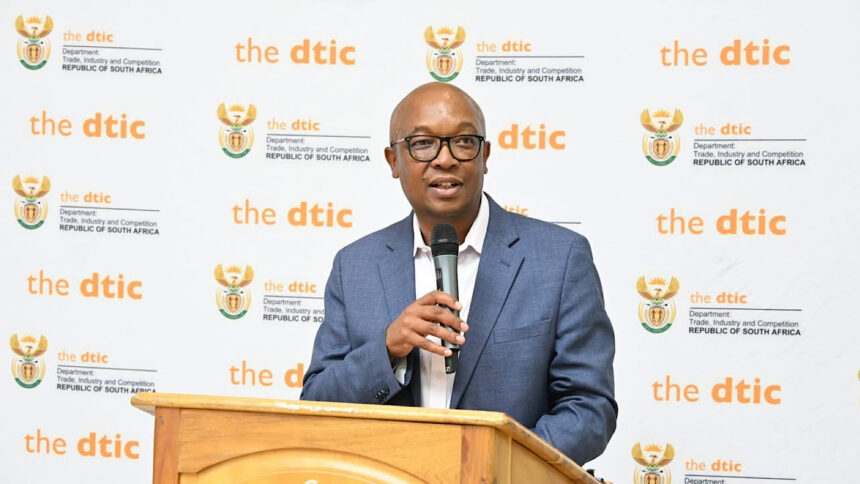
- Trade, Industry and Competition Minister Parks Tau says 141 companies have promised investments worth more than R548-billion across South Africa’s special economic zones.
- Limpopo’s Fetakgomo-Tubatse Special Economic Zone has attracted R52.6-billion in planned investments that could create 20,000 jobs over the next 10 years.
More than 60,000 permanent jobs could be on the way for South Africans after 141 companies promised to invest over R548-billion in special economic zones across the country.
Trade, Industry and Competition Minister Parks Tau announced the investment plans during a meeting with investors and business leaders at the Fetakgomo-Tubatse Special Economic Zone in Steelpoort, Limpopo.
The promised jobs are expected to become available once the planned projects are fully up and running.
Tau said the investments showed that businesses were willing to put money into South Africa’s manufacturing and industrial sectors.
Special economic zones are areas set aside to attract businesses, build factories and create jobs.
The country already has 234 private companies operating in these zones, with investments worth more than R47-billion.
Tau said the programme had created 134,478 jobs so far, including 32,904 permanent positions.
The government now wants to attract more companies to open factories and process South Africa’s minerals locally instead of sending raw materials overseas.
Limpopo is expected to benefit from one of the biggest projects.
The Fetakgomo-Tubatse Special Economic Zone, which received its official designation in May, has planned investments worth R52.6-billion.
These projects could create about 8,000 jobs in the short to medium term.
Over the next 10 years, the zone could create as many as 20,000 jobs.
The Steelpoort area is surrounded by major platinum and chrome mines, making it an important location for new factories and mineral processing businesses.
The zone will focus on processing minerals, manufacturing goods, renewable energy, metal production and transport services.
It is also close to the Lion and Samancor ferrochrome smelters, which could help attract more businesses to the area.
Tau said South Africa needed to make better use of the minerals it produces.
“Our industrial policy is clear that we must process more of what we mine, and we must manufacture more of what we use. We must also export more of what we manufacture,” he said.
The government is also developing other special economic zones, including Nkomazi and Musina-Makhado.
These areas are expected to attract more factories, support trade with neighbouring countries and create work opportunities.
Tau said the growing number of companies interested in investing showed confidence in South Africa’s ability to grow its industries.
But the R548-billion represents investment commitments, meaning the money has not all been spent and the promised jobs have not yet been created.
The success of the projects will depend on the planned investments becoming operating businesses.