
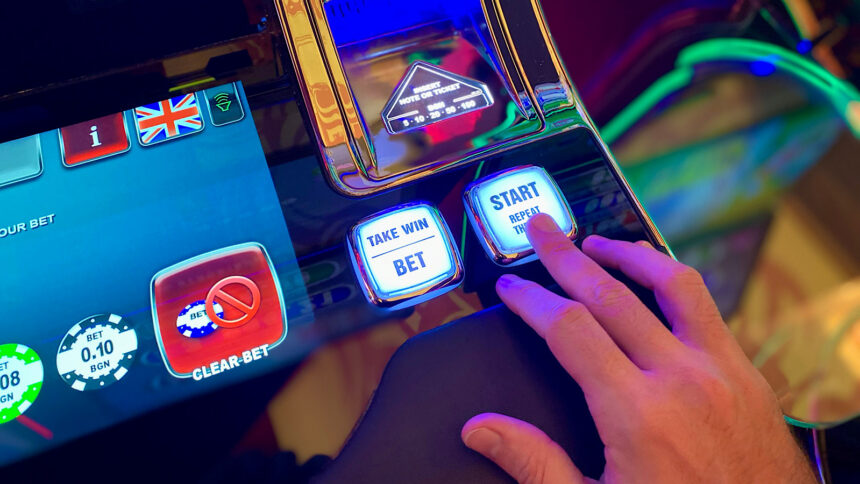
- The Zaka Index 2.0, a youth finance study, heard young people describe betting R30 hoping to wake up with R1 million.
- The same study found 71% ate less or skipped meals for lack of money. Yazi’s separate survey found 57% of online gamblers sacrificed essentials.
Put down R30 today and wake up with R1 million tomorrow. For young South Africans struggling to make ends meet, that daydream is what a small bet can buy, a new study has found.
The Zaka Index 2.0 was released in September by Blackbullion South Africa, the youth financial education programme of WaFunda, with the Sanlam Foundation. It surveyed 1,544 people in all nine provinces, 90% of them aged 18 to 34, and held two focus groups, to find out what pressures shape young people’s money choices.
Focus-group members called it being “impatient with poverty”. One described wanting to wager R30 today and wake up with R1 million tomorrow, instead of slowly working out of hardship. Others spoke of friends who stack several games on one betting slip so that R12 might become R3,000 or more. Another participant said gambling is “like daydreaming”, and knew the odds. Spending R5 to win R20,000 or R50,000, they said, “that’s not really how things work”.
The reasons are close to home. In the survey, 82% received R6,000 or less a month, and 71% said their income only just covered everyday needs or did not cover them. Only about a quarter could cover an unexpected R1,000 expense from savings.
Food was one of the first things to go. Of the people surveyed, 71% had eaten less than usual or skipped meals in the previous 30 days because they lacked money for food. Of these, 40% ate less, 21% skipped meals on one or two days and 10% skipped meals on more than two days. Another 56% had gone without soap, toothpaste, deodorant or sanitary products in the previous three months.
On gambling, 35% had gambled at least once in the previous three months. Half of those had done so once or twice, and one in ten gambled weekly or more often. Most bets were small. Of those who gambled, 71% spent R50 or less a session, 84% spent R100 or less and 14% spent more than R100. Online casino games were used by 65%, sports betting by 46% and Aviator-style games by 25%.
Participants said betting slips and so-called winning codes circulate on social media and WhatsApp groups, so wins are easy to see and losses are not.
The report does not say how many people skipped meals to gamble. In the focus groups, one young woman said that after losing repeatedly, she began to see her R50 stake as “money that could have bought food”. Some participants named gambling as a possible short-term fix when money is tight, before agreeing that sacrificing food for a chance of a quick return “is not worth it”.
Most respondents were recruited through Blackbullion’s user database and partners, so the study mainly reflects young people linked to universities, bursaries and youth programmes. The report itself says to read the data with care. This is not a national sample.
A separate survey points more directly to the link. Yazi Research, a Cape Town survey company, ran a two-day WhatsApp survey on 14 and 15 May. It had 1,028 completed responses from online gamblers in all nine provinces, and 61% of respondents were women.
Yazi says 57% had sacrificed essentials such as groceries, airtime, transport money, rent or debt repayments to fund a bet in the past six months. The study says 29% had borrowed money to gamble. One respondent said they lost the last R200 meant for the week’s transport playing slots.
Yazi funded the research itself, and its respondents were online gamblers, so the figures do not describe all South Africans.
Tshepo Kgapane, Blackbullion South Africa’s product lead, said young people do not need another lecture about money, and that the answer cannot be to judge them for wanting a “faster route out of financial pressure”.
If gambling is affecting your budget, the South African Responsible Gambling Foundation offers a free 24-hour counselling line on 0800 006 008.