Listen to this article.
- Thousands of motorists rushed to fuel stations on Tuesday, even though the Department of Mineral and Petroleum Resources asked them to buy only what they normally need.
- From midnight, 95 petrol costs R30.25 a litre in Gauteng and R29.38 at the coast. Diesel is up R2.84 or R3.24.
Thousands of motorists rushed to fuel stations across the country on Tuesday, 6 October, to fill up before the petrol price went up at midnight.
This is despite a warning against panic buying from the Department of Mineral and Petroleum Resources. The department said motorists should buy only what they normally need, because unusually high demand could leave some stations short.
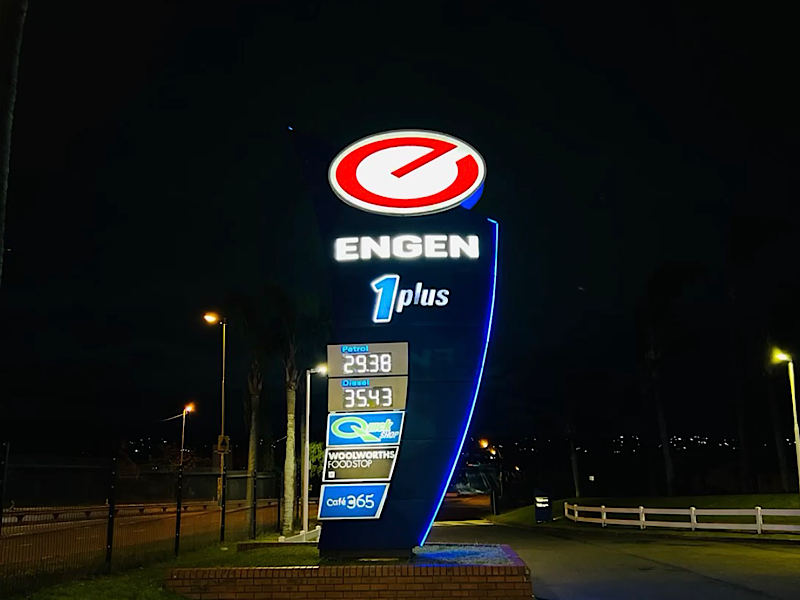
The new price is the highest on record in Gauteng. 95 petrol now costs R30.25 a litre there, the first time it has passed R30. At the coast it is R29.38, which is what an Engen garage in Gqeberha was charging early on Wednesday. Filling a 50-litre tank before midnight saved about R166.
Diesel went up by R2.84 or R3.24 a litre, depending on the grade. Paraffin, which many households use for cooking and lighting, went up R4.77. At the Gqeberha garage, diesel was R35.43. That is higher than the department’s coastal wholesale prices of R31.08 and R32.03, because retail diesel is not regulated and each garage adds its own margin.
The department says oil is behind the increase. It averaged $101 a barrel over the past month, up from $87.89. The rand barely moved against the dollar over the period.
Even if you do not own a car, you will feel this, because diesel runs most taxis and trucks.
The South African National Taxi Council (Santaco) says it is too early to say whether fares will rise.
The Road Freight Association has warned that freight costs could rise by 4% to 6%, which can push up food prices.
Every R1 added to a taxi fare would cost a minimum wage worker about R84 a month, on the Pietermaritzburg Economic Justice and Dignity Group’s measure of four trips a day.