
By Rorisang Modiba
- Independent musician Coolpixie, 31, says making a song is only 20% of the cost. The other 80% goes to distribution, marketing, transport, data and music videos.
- For his latest single, Coolpixie spent R5,000 on transport to the studio, R50,000 on a music video and R30,000 on marketing. He has never received a government grant.
Coolpixie has been making music for 17 years. The last seven have been spent in the mainstream industry. He is 31 years old, born in Gauteng, raised in Modimolle, and he has worked out exactly what his career costs him.
“What I wish I knew is that making the song is only 20% of the cost. The other 80% is getting people to hear it,” he said.
Simply keeping his career going costs between R8,000 and R15,000 every month. That covers data for uploads and promotion, transport to sessions, and basic marketing. For his latest single, he spent R5,000 on transport to the studio, R50,000 on a music video, R850 on annual distribution, and R30,000 on marketing.
Music videos have become the biggest single burden.
“DPs and editors have increased their rates, and even locations charge now. It has forced me to release fewer videos and be very picky about which songs get visuals,” he said.
The sacrifices are personal as well as financial.
“I have skipped buying new clothes for months just to buy equipment. I have chosen studio over a night out, over data bundles, even over groceries some weeks,” Coolpixie said.
Despite years in the industry, he has never received a government grant.
“Most of them are hard to access, or you only hear about them after the deadline,” he said.
Business and Arts South Africa said the costs of a music career extend well beyond what audiences see or hear — production, music videos, artwork, distribution, marketing, insurance and equipment are all self-funded for artists without major label backing.
Beth Arendse, CEO of BASA, said the organisation is advocating for a shift away from one-off grants toward purpose-built financial instruments adapted to freelance income patterns.
“Independent musicians need more than one-off funding. They need an ecosystem that recognises creative work as both a cultural asset and an economic opportunity, and that supports artists to build sustainable careers and businesses,” Arendse said.
Artists wanting to explore funding and support opportunities can contact Business and Arts South Africa at [email protected] or 011 447 2295.
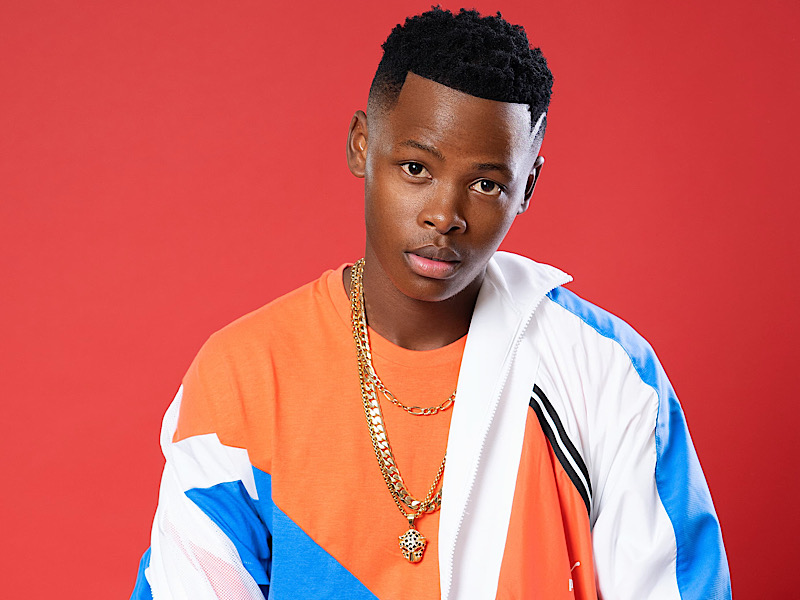
Pictured above: Coolpixie, independent musician, Gauteng.
Image source: Supplied