- KZN Cogta has implemented boreholes across several district municipalities facing severe water shortages, as part of a broader intervention programme.
- Big Five Hlabisa has announced boreholes for public institutions such as community halls, after other efforts failed to resolve the district’s water crisis.
Publish time: 2026-09-29 16:30
Several municipalities in KwaZulu-Natal are turning to boreholes as the province’s water crisis deepens in rural areas.
This follows KZN Cogta’s implementation of boreholes across district municipalities facing severe water shortages, as part of a broader regional intervention programme. Cogta has separately deployed more than 20 water tankers across seven district municipalities, iLembe, Ugu, Amajuba, uThukela, Zululand, uMzinyathi and uMkhanyakude, to provide emergency relief to communities facing acute water scarcity.
In some rural communities, the crisis has become severe enough that residents have returned to traditional methods of sourcing water, fetching it from dams they share with livestock.
In Zululand, schools reportedly had to be suspended at points during the crisis, which intensified from 2016 during a period of severe drought.
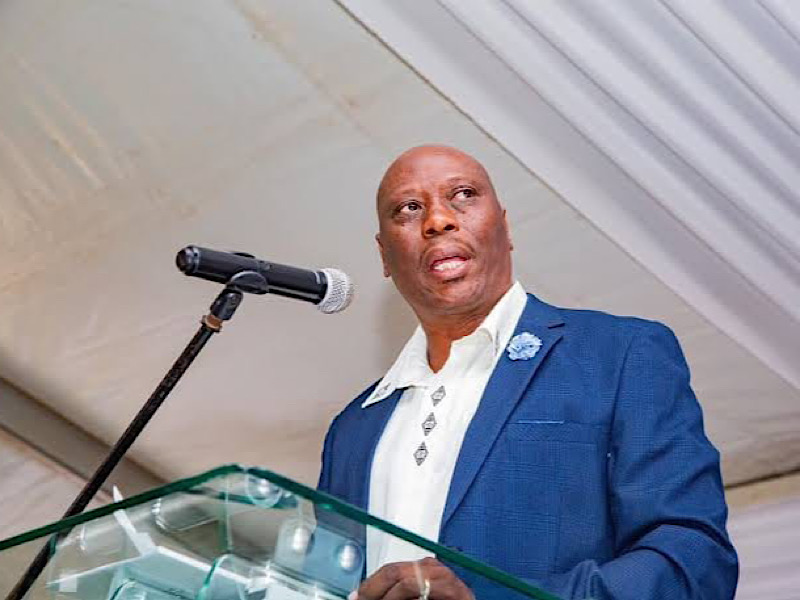
On Monday, authorities in Big Five Hlabisa, in uMkhanyakude District, announced the installation of boreholes at public institutions such as community halls. Mayor Comfort Khumalo told the community that boreholes are now the district’s most viable option, after other efforts failed to produce results.
“We have a serious crisis in this district, and now we are turning to boreholes so that even our public institutions, such as community halls, can have water for villagers,” Khumalo said.
In the City of eThekwini, several villages have also adopted borehole programmes, while residents in some townships continue to rely on water tanks, which have drawn controversy. The DA in eThekwini has vowed to scrap the water tank system, describing it as a “water mafia.”