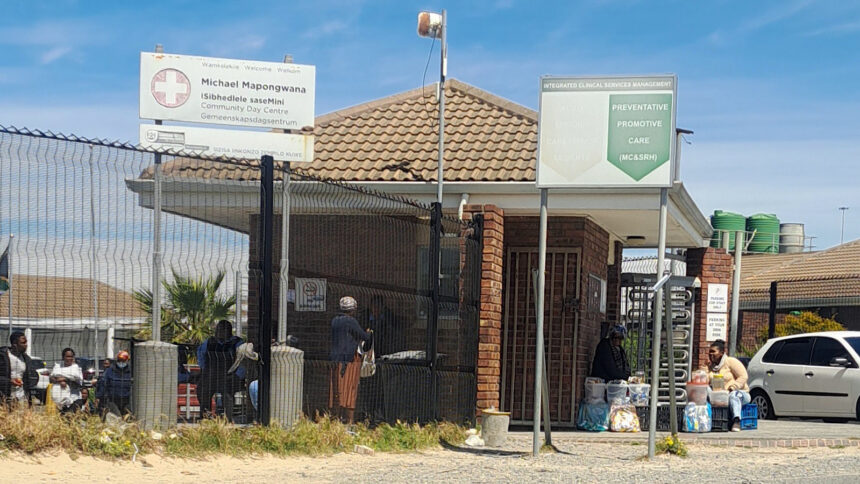
- Patients at Michael Mapongwana Clinic in Khayelitsha say it treats 30 dental patients a day, while at least 80 queue.
- Patients pay R34 a trip in taxi fares and say they borrow money, some from loan sharks, to keep coming.
Patients say the dental section of a Khayelitsha clinic treats 30 people a day for tooth extractions, while at least 80 people queue.
Noncedo Mafilika, 40, woke at 4:30 in the morning to be in the queue at Michael Mapongwana Clinic by 5.
“It doesn’t matter if you woke up early, you will be turned away because the clinic only treats 30 people a day,” she said.
Some patients have been sent home three times, and borrowed money for transport each time.
“The clinic staff told us to come early so that we could get help, but that is not happening. We stand outside, sometimes in cold weather, while we are in pain, and we end up not getting help,” Mafilika said.
Mzukhona Mkefa, 43, said a return taxi trip to the clinic costs R34.
“This is not fair. Most of us depend on grant money and piece jobs. Now we are in debt because of the clinic. By the time we get the grant money, we will have to take half of it to loan sharks. What will our families eat?” he said.
Patients come from Makhaza, Litha Park, Harare and Ndlovini, and say the daily limit is too small.
“Maybe it would be better if they took at least 100, since we come from different areas. Taking only 30 is too small, and it is not fair,” Mkefa said.
Abulele Dyasi, a spokesperson for the clinic, said it provides dental services to many patients from across Khayelitsha and surrounding communities.
“Patients are assessed and triaged on arrival, based on the severity and urgency of their dental condition,” Dyasi said.
He said some patients may be advised to return on another day, so that those who need urgent attention are treated first.
“Dental treatment varies according to each patient’s needs, and one patient’s treatment might take longer than another’s; hence the reason for allocating a specific number of patients per day to ensure our oral health team can provide dental care appropriately,” he said.
Dyasi did not say how many patients the clinic sees each day. He said the clinic acknowledges the inconvenience repeated visits cause patients and remains committed to providing appropriate dental care.