
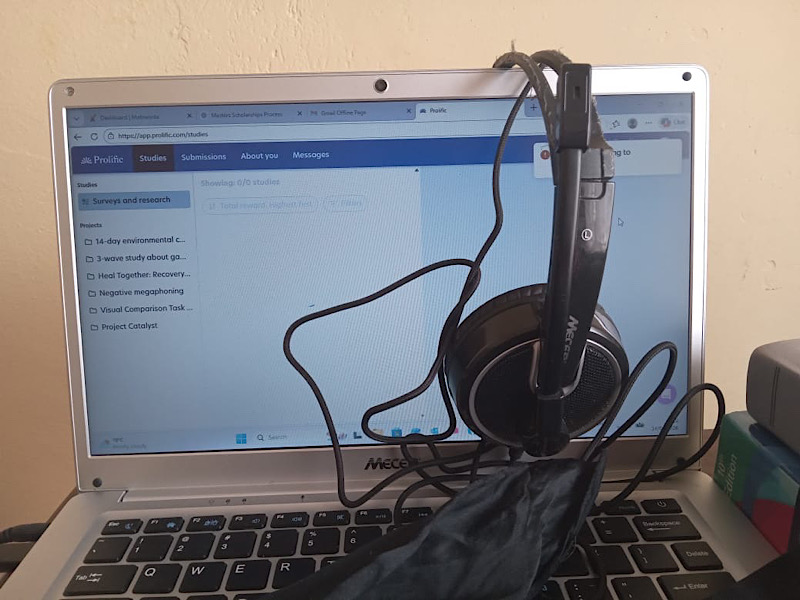
- Journalism graduate Kgothatso Botshoma makes an average of R3,500 every single month answering global academic research studies on the internet.
- The extra cash helps the young woman pay her rent and buy groceries while she continues hunting for permanent work.
A severe lack of jobs is pushing qualified South African graduates to hunt for money on online research platforms.
Finding work is hard. The country has 8.5 million jobless people. Young people carry the heaviest burden, with 5 million youth without work in the second quarter of 2026.
Kgothatso Botshoma is one of them. She got her journalism honours degree in 2025 and moved from Pretoria to Johannesburg to find a permanent job.
When the job hunt took too long, she found a lifeline on Facebook. An influencer posted about making cash through online surveys.
Botshoma now uses a site called Prolific. Researchers and university students from the US and the UK pay people to answer their questions.
The pay adds up. A single week-long study for a master’s student paid her R2,100. On a good day, she can grab around R500.
She makes an average of R3,500 a month on the platform. Prolific requires researchers to pay participants at least $8 or £6 an hour.
Payments come through PayPal in dollars or pounds.
“Whatever that has to do with AI is paying,” she said.
This money is not just for fun. She pays R2,000 for rent. The rest buys groceries, electricity, and water. She also sends cash to her family.
But the cash flow is not stable. Some days offer plenty of studies, while other days offer almost nothing.
She also hunts for extra cash on platforms like MobiWorkX and MOBROG when Prolific is quiet.
“It’s not a job with a contract or a boss,” she said.
She still applies for permanent jobs in journalism while she waits for a real break.
“It’s hard knowing that you have a degree,” she said.
Pictured above: Jobless youth turn to online work to make ends meet.
Image source: Supplied