
• Illegal weight loss products, performance enhancers, codeine based painkillers and skin lightening products are being advertised through social media and informal sellers.
• The South African Health Products Regulatory Authority wants consumers to check medicines before buying and report suspected illegal sales to the regulator.
South Africans looking for weight loss products, painkillers or performance boosters are being warned to think twice before buying them from social media sellers.
The South African Health Products Regulatory Authority has raised concerns about an increase in the illegal sale of medicines and other health products.
The regulator said some products are being advertised and sold on social media, while others are being offered at gyms, beauty outlets and through informal sellers.
The products include weight loss treatments, performance enhancers, codeine based painkillers and skin lightening products.
The big concern is that medicines sold through these channels may not have gone through the checks required before they can legally reach consumers.
The regulator said it has seen more medicines being sold outside the normal healthcare system.
This means some of these products may not have been properly checked and approved for their safety, quality and effectiveness.
For consumers, that creates another problem.
Someone buying medicine from an unapproved seller may not know exactly what is inside the product they are using.
The South African Health Products Regulatory Authority has urged people to check whether medicines are registered before buying or using them.
It has a Medicines Online Directory where members of the public and healthcare professionals can check the registration of medicines.
But stopping the illegal trade is not easy.
Online sales make enforcement particularly difficult because products can be advertised and sold through different platforms and informal channels.
Pharmaceutical sciences expert Andy Gray has examined whether the regulator has enough powers to deal effectively with people who illegally sell medicines.
Gray found that the regulator cannot simply decide on a punishment and issue fines itself in these cases.
Instead, cases may have to be referred to the National Prosecuting Authority for possible prosecution in court.
Gray said stronger and effective punishment was needed for people who repeatedly break medicines laws.
The South African Health Products Regulatory Authority said it investigates reports involving illegal medicines and works with other organisations to tackle unlawful sales.
But consumers also have an important role in protecting themselves.
The regulator has advised people to be careful about where they buy medicines and health products, especially when products are being advertised online or through informal sellers.
People should buy medicines from authorised pharmacies and registered healthcare professionals.
Consumers should also be cautious of products whose safety, ingredients or registration cannot be confirmed.
The regulator is encouraging members of the public to report suspected illegal medicine sales.
The warning is especially important as social media makes it easier for sellers to advertise products directly to people looking for quick solutions for weight loss, pain, appearance or physical performance.
For consumers, the message is simple: check before you buy.
A medicine being advertised online, at a gym or through another informal seller does not mean it has been approved or that its safety and quality have been checked.
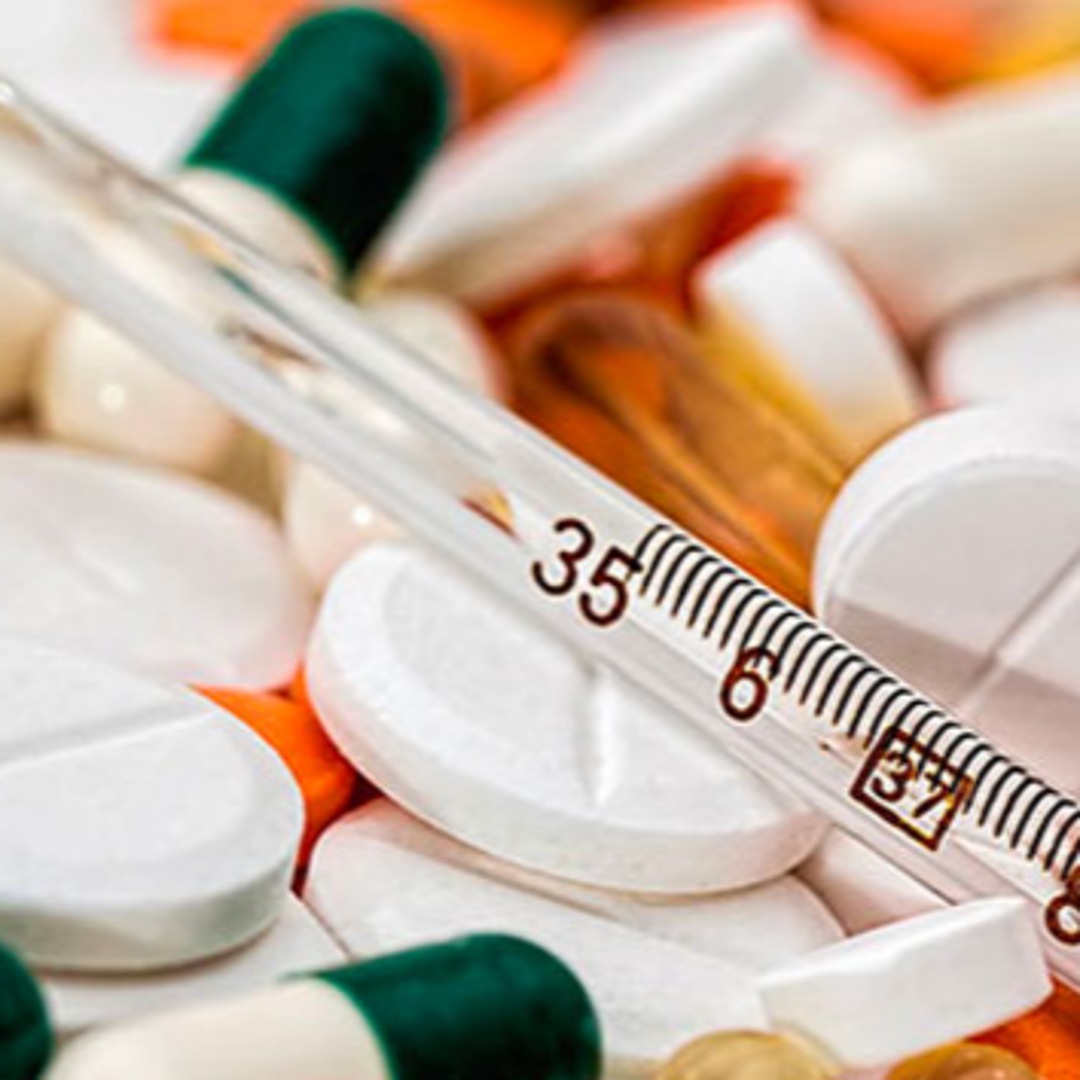
Pictured above: The South African Health Products Regulatory Authority has warned consumers about illegal medicines being sold through social media, gyms and other informal outlets.
Image source: Supplied.