
- Nomthandazo Simalane chose Rea Vaya for its low cost, but now worries about getting caught in gang violence.
- She pays half the price of a taxi, but spends more time on the road and fears for her safety every day.
Part four of our Soweto Transport series shows that even cheaper options come with a cost. Nomthandazo Simalane rides the Rea Vaya, but she does it in fear of being shot.
Nomthandazo Simalane, 27, used to take taxis but switched to the Rea Vaya bus to save money. Now, every time she gets on the bus, she worries it might be her last trip.
Simalane lives in Dobsonville, Soweto, and is part of the government’s logistics skills programme. She takes the C1 Rea Vaya to Johannesburg and gets off at Chancellor House station.
“I usually say that my bus drops me off at my work door. A taxi would drop me further away,” she said.
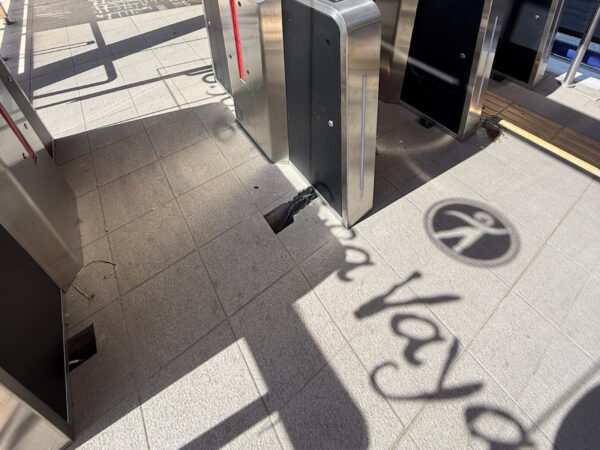
She used to spend R800 a month on taxis, but now pays R400 for a bus ticket. She also puts aside another R200 in case the buses aren’t running.
The Rea Vaya takes her about two and a half hours daily, more than double the time taxis took. But the savings make it worthwhile.
Still, danger is never far. In February, two Rea Vaya drivers were shot and killed. “I already struggle with anxiety, and now I’m even more scared. I always think we could get hijacked or worse,” she said.
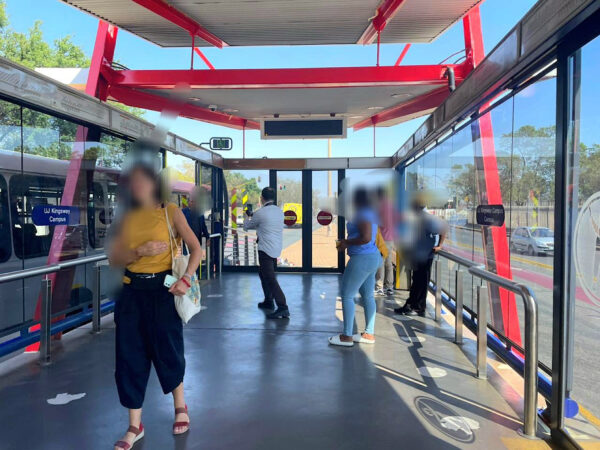
Despite the fear, she plans to keep using the bus. “It’s cheap and drops me near work. I have no choice.”
Catch up on the first three parts of our Soweto Transport series:
Coming Friday, 23 May, the final part of the Soweto Transport series: Lerato Mafera takes late-night Ubers home after her shift ends at 2am. She’s almost been raped, but keeps riding, because she needs the money to survive.
Pictured above: The Rea Vaya.
Image source: Palesa Matlala