
• Four women have used one grocery stokvel for 13 years to buy food in bulk, helping their families survive South Africa’s rising cost of living.
• South Africa has more than 800,000 stokvels, with about 11 million people saving and spending over R50-billion every year.
When Gloria Masingita Maluleke looks at her grocery cupboard, she sees more than bags of maize meal and rice.
She sees peace of mind.
The emergency care officer from Tsakane says joining a stokvel has helped her family survive years of rising food prices and financial pressure.
Maluleke started the Togetherness Ladies Stokvel in 2013 with three other women after realising that buying groceries every month was becoming too expensive.
Today, the four women still save together.
“We wanted to make sure our families never went hungry, especially in December when expenses are at their highest,” she told Scrolla.Africa.
When the stokvel started, each member contributed R4,000 a year.
As food prices climbed, the group had to increase their savings.
In 2024, members contributed R10,000 each.
This year, they increased the amount again to R13,000.
“Grocery prices have gone up so much that we had no choice but to increase our contributions,” said Maluleke.
“We want to buy more food and bigger items that will last longer.”
Instead of buying groceries every month, the women save throughout the year before shopping in bulk.
They wait until October or November when major retailers such as Makro and Kit Kat Cash and Carry offer Black Friday and festive season specials.
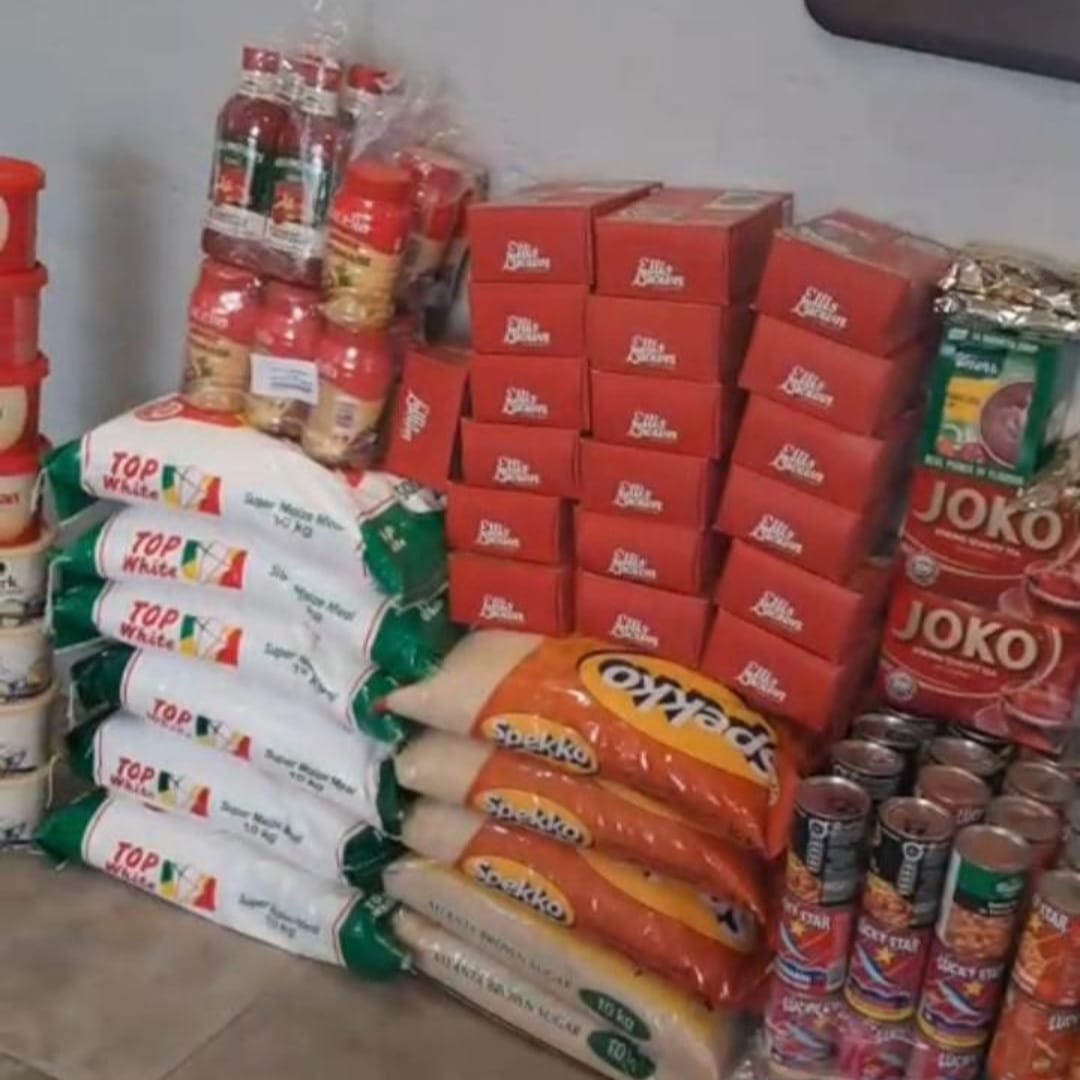
The stokvel buys large quantities of rice, maize meal, cooking oil, sugar, washing powder, canned food and other household essentials.
For Maluleke, those groceries often last her family for almost the entire year.
Now she only needs to buy small top-up items during the year.
“I honestly don’t know how I would survive without this stokvel,” she said.
“The first year was difficult because I was paying into the stokvel and still buying groceries every month. But now it has become much easier.”
The grocery stokvel has also helped her achieve bigger dreams.
Because her food costs are covered, she joined a second stokvel known as an umshayelwano.
This is a cash-saving stokvel with 40 members divided into three groups.
Each member contributes money every month, and one member receives the full payout until everyone has had a turn.
Maluleke pays double contributions whenever she can.
The payouts have already helped her install a R35,000 borehole at her family home in Limpopo.
She is now using the money to help build a house there.
Like many stokvel members, Maluleke knows there are risks.
Cash payout stokvels have sometimes been targeted by criminals after large payouts become known.
She believes trust is the reason their groups have remained safe for more than a decade.
“We only save with people we know and trust,” she said.
She also explained why the women stopped keeping their savings in a bank account.
“Some members wanted to withdraw their money early after seeing how much had been saved. That caused problems.”
Instead, the group now loads their savings onto retailer stokvel accounts that work like gift cards.
The money stays safely in those accounts until shopping time.
Maluleke believes discipline is the secret behind every successful stokvel.
“You need trustworthy and mature people. Everyone must respect the rules,” she said.
Her story is one shared by millions of South Africans.
According to the National Stokvel Association of South Africa, there are more than 800,000 stokvels across the country.
About 11 million South Africans belong to at least one stokvel, collectively saving and spending more than R50-billion every year.
Many use stokvels to buy groceries, pay school fees, cover funeral costs, build homes, invest in businesses and prepare for emergencies.
National Stokvel Association founder Andrew Lukhele recently said stokvels remain one of South Africa’s strongest community savings systems.
“Stokvels are proving to still be relevant. Young people are joining stokvels in droves,” he said.
As South Africa marks National Savings Month in July, financial experts continue encouraging families to save wherever possible.
For Maluleke, the lesson is simple.
A stokvel is not just about saving money.
It is about making sure there is always food on the table, no matter how tough the economy
Pictured above: Gloria Masingita Maluleke says her grocery stokvel has helped feed her family for 13 years despite rising food prices.
Image source: Supplied