
Listen to this article.
• More than 19 million South Africans receive permanent SASSA grants every month, while many beneficiaries say every cent goes towards food, rent and children’s needs.
• Social Development Minister Dina Pule says grants should help people become financially independent, but beneficiaries say rising living costs make that impossible.
Katleho Ranoko dreams of owning a small business.
The 28-year-old mother from Soweto wants to sell eggs and ice cream to earn an income for her family.
But like millions of South Africans, she says her SASSA grant disappears long before the month ends.
Ranoko receives the Child Support Grant for her two children.
Each child receives R580 a month.
She says the money pays for her youngest child’s daycare, food, toiletries and other household needs.
“There is nothing left after I buy what the children need,” she said.
“Even the money their father gives us goes towards paying rent. There is nothing left to save.”
Ranoko was responding to comments by Social Development Minister Dina Pule, who said social grants should not only help families survive but should also help people become financially independent.
Pule said beneficiaries should be supported through the National Development Agency to start small businesses and create their own income.
But Ranoko says that is much easier said than done.
“If someone has another source of income, they might be able to use part of the grant to start a business. But if the grant is your only income, it is impossible,” she said.
Her story is shared by millions of South Africans.
According to the South African Social Security Agency, more than 19 million people receive permanent social grants every month.
Millions more depend on the R370 Social Relief of Distress grant.
For many households, these grants are the only income coming into the home.
Fifty-one-year-old Thabo Haofodise from Pimville knows exactly how quickly that money disappears.
He has been unemployed for two years and survives on the R370 Social Relief of Distress grant.
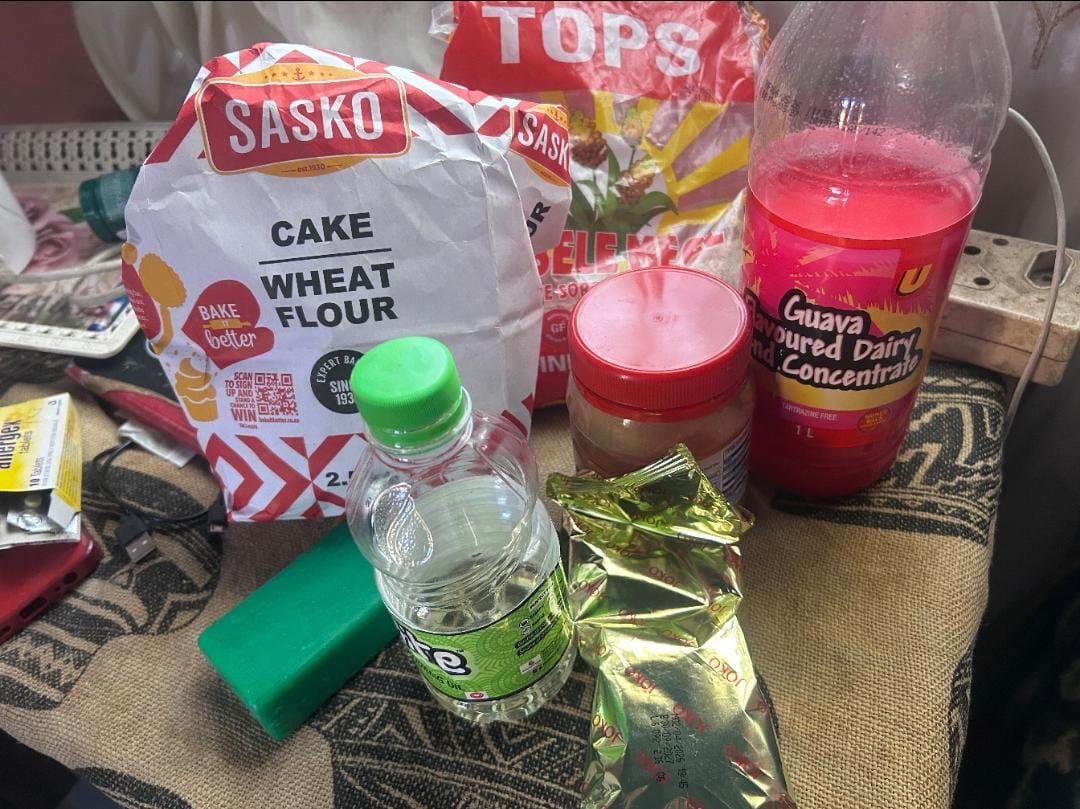
The money buys basic food such as mealie meal, chicken pieces, cooking oil and soap.
He once tried to run a small business selling traditional sorghum beer.
But the business collapsed because he kept using the stock money to feed his family.
“I don’t think R370 can help anyone become financially independent,” he said.
“It only helps you survive for a few days.”
Haofodise says many unemployed people want to work or run businesses, but they simply do not have enough money to get started.
Muzi Kheswa, managing director of Crystal Fountain, an organisation that supports vulnerable families, agrees.
He said grants play an important role in reducing hunger, but they are not enough to lift families out of poverty.
“Families should find ways to earn their own income instead of depending only on government grants,” he said.
“But they also need real support to access business opportunities, training and funding.”
South Africa continues to battle high unemployment, rising food prices and increasing living costs.
For many grant recipients, survival comes first.
Saving money or investing in a business is often a luxury they simply cannot afford.
Scrolla.Africa contacted the National Development Agency for comment on how it plans to support grant beneficiaries who want to start businesses.
No response had been received by the time of publication.
Pictured above: Millions of South Africans depend on social grants every month, but many beneficiaries say the money is only enough to cover basic living expenses.
Image source: File