
Listen to this article.
• Trade authorities have rejected a proposal to increase the tax paid on imported frozen mixed vegetables from 10% to 37%, helping keep prices lower for shoppers.
• Experts say higher import taxes would have made frozen vegetables more expensive, especially for low income families already struggling with the rising cost of living.
South Africans battling the rising cost of food have received some good news.
The International Trade Administration Commission has recommended keeping the tax on imported frozen mixed vegetables at 10%.
This means supermarkets are less likely to increase the price of frozen vegetables because of higher import costs.
A local food company, Nature’s Garden, wanted the government to increase the import tax to 37% to protect local producers from overseas competition.
But the commission decided that a higher tax would hurt consumers more than it would help local farmers.
When businesses pay more to import products, those extra costs are usually passed on to shoppers through higher prices.
That is why experts warned that increasing the tax would have made frozen vegetables more expensive for millions of South Africans.
Frozen vegetables are an affordable option for many families because they last longer than fresh vegetables and are often cheaper.
Trade expert Wongani Msiska said the commission found that local producers have struggled in recent years, but imports were not the main reason.
Instead, load shedding and electricity problems made it harder and more expensive for local factories to produce frozen vegetables.
The commission also found that imports actually dropped between 2018 and 2022.
At the same time, South African producers managed to keep their share of the market because their products were already cheaper than imported vegetables.
For now, the commission believes there is no need to increase the import tax.
It says it will continue watching the industry and may review the decision if conditions change.
The announcement comes as economists are also watching the possibility of another strong El Niño weather pattern.
El Niño often brings hot and dry weather to South Africa, which can damage crops and reduce food production.
The last major El Niño, in 2015 and 2016, caused one of South Africa’s worst droughts in decades and sent food prices soaring.
However, economists say food inflation is currently much lower than it was then.
The latest figures show food prices were only 1.9% higher in May than they were a year earlier.
South Africans will find out next week whether inflation has changed when the latest consumer price figures are released.
For now, the decision means shoppers can expect frozen mixed vegetables to remain one of the more affordable food options on supermarket shelves.
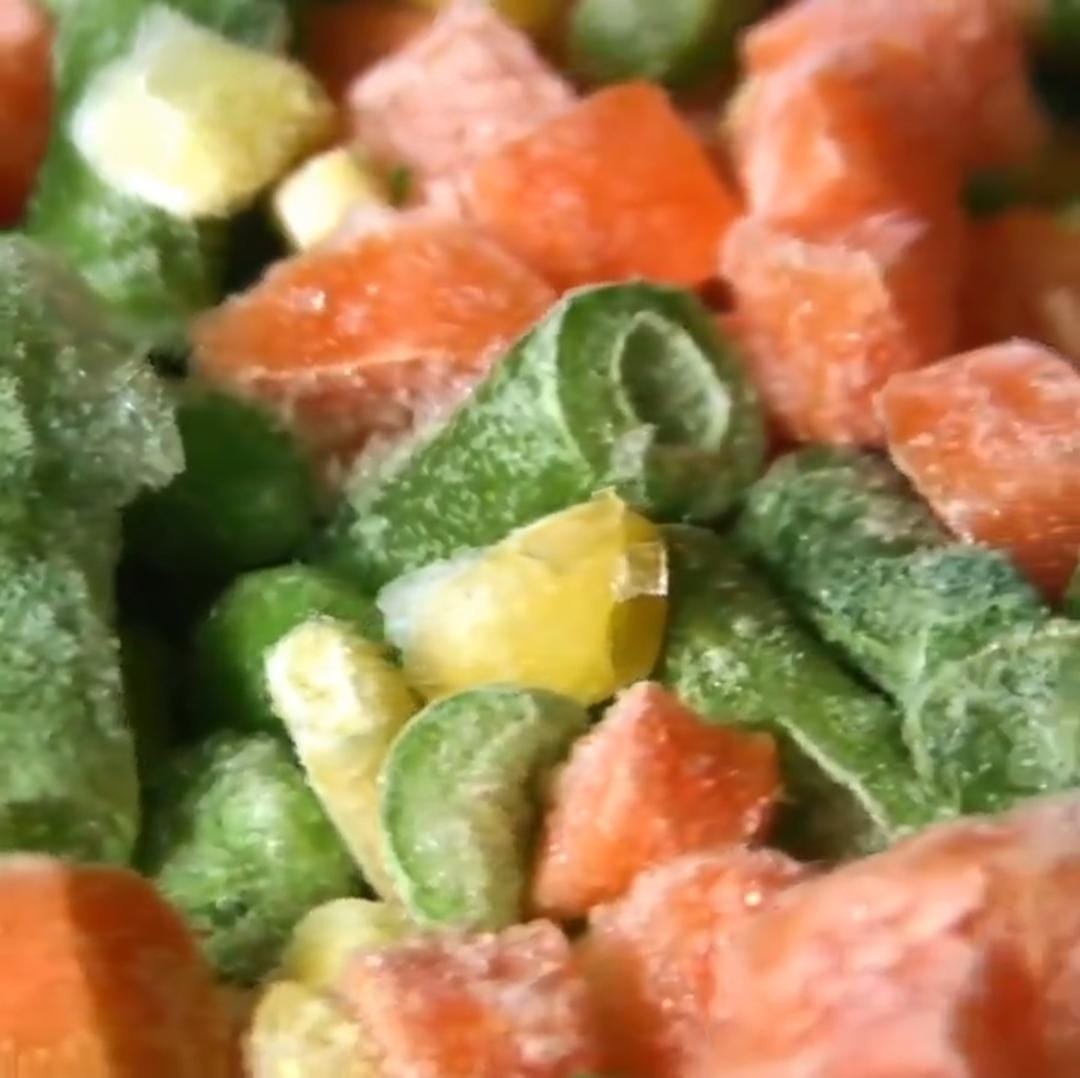
Pictured above: Frozen veggitables
Image source: File