
Listen to this article.
- Families can save money by checking their cupboards before shopping, avoiding unnecessary bulk deals and using their freezers to stop food going to waste.
- Adding vegetables to meat dishes and preparing simple foods at home can stretch expensive ingredients without forcing families to serve smaller meals.
A trip to the supermarket can leave a painful hole in your pocket.
And sometimes it is not only rising food prices doing the damage.
Convenience foods, tempting specials and forgotten ingredients can quietly push up the grocery bill. Food that ends up in the bin means even more money has been wasted.
But saving does not have to mean feeding your family smaller portions or always choosing the cheapest products.
Food writer Alida Ryder says changing how you shop, cook and store food can help your money go further.
Here are some simple ways to make your grocery budget work harder:
Buy in bulk only when you need it: A big special is not a bargain if half of it eventually lands in the bin.
Buying larger quantities of foods such as rice, pasta and meat can save money, especially when your family uses them regularly.
But think before filling your trolley.
Buying three bottles of a sauce you hardly use simply because they are on special could cost you more in the end.
If you will not use it, leave it.
Make expensive meat go further
Meat can take a big bite out of the food budget.
Instead of using more meat to make a bigger meal, Ryder suggests adding vegetables to dishes such as mince, stews, curries, casseroles and pasta sauces.
Carrots, onions, cabbage and butternut can help bulk up a meal and make it feed more people.
That means families can stretch the same amount of meat across more portions without simply putting less food on everyone’s plate.
Chop it yourself: Those neatly chopped vegetables in supermarket fridges might save time, but convenience can cost extra.
If you have time, compare the price of prepared vegetables with whole vegetables.
Buying them whole and chopping at home could save money.
The same idea applies to other ready-made ingredients.
A few extra minutes in the kitchen could leave a little more money in your pocket.
Make more food at home: Some products that seem difficult to prepare are actually fairly simple to make yourself.
Ryder suggests homemade stock, burger patties, crumbed chicken and marinades as examples.
Making them yourself also allows you to use ingredients already sitting in your kitchen instead of paying for another ready-made product.
Use your freezer to stop waste: Your freezer can become one of your best money-saving tools.
Frozen vegetables can last longer and be used when needed for soups, curries and stews.
If you buy a large amount of meat, split it into smaller portions before freezing it. You can then defrost only what you need for each meal.
Grated cheese can also be divided into portions and frozen.
But do not wait until food is about to spoil before freezing it. Freeze it while it is still fresh.
Shop your kitchen first: Before going to the supermarket, open your fridge, freezer and cupboards.
You may be surprised by how much food you already have.
Plan meals around ingredients that need to be used first and check whether you already have items on your shopping list.
This can stop you from buying the same thing twice.
Saving on groceries does not have to make every meal feel cheap.
The aim is simple: waste less, buy smarter and squeeze more meals out of the food you have already paid for.
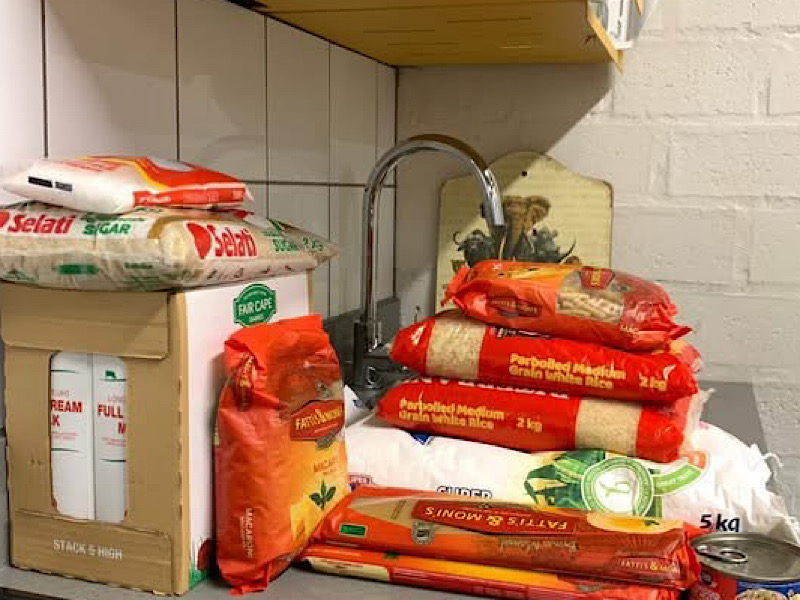
Pictured above: Families can cut their grocery bills by shopping carefully, using their freezers and reducing food waste.
Image source: File