By Palesa Matlala
- Live cattle now cost over R12,000, pushing families to use butchery meat and goats instead.
- Foot-and-mouth disease restrictions have made it harder and more expensive to buy and move livestock.
More families are being forced to change how they bury their loved ones as the cost of livestock keeps rising.
In many African traditions, a live cow is slaughtered at funerals to honour elders and show respect. The skin is often used to cover the coffin.
But for some families, that tradition has become too expensive.
The Motololo siblings buried both their parents in October and November 2025.
Their parents were pensioners and depended financially on their children.
When their father, Ernest, passed away in October, the family could not afford a live cow.
In Gauteng, the cheapest Brahman bull costs around R13,000, while a Nguni cow costs close to R13,000.
“We didn’t have R15,000 for a bull,” said Sindiwe Motololo.
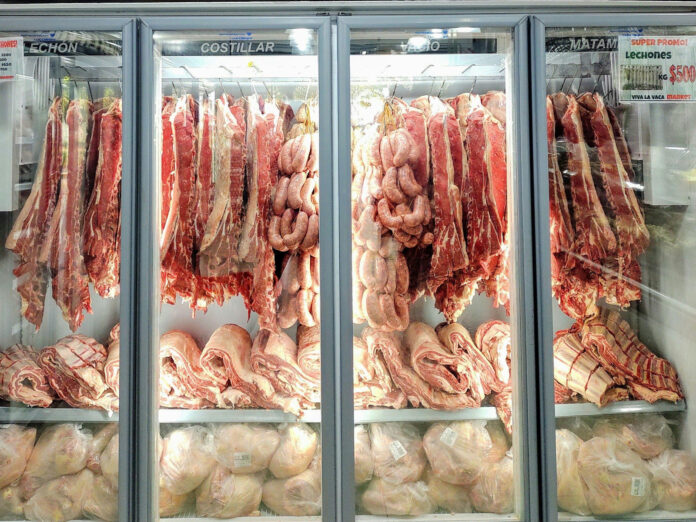
Instead, the family bought pre-packed butchery beef and a male goat to perform the ritual.
For their mother’s funeral, they bought a female goat.
In total, they spent about R14,000 on butchery meat and R4,000 on the two goats.
“We tried to do what we could,” said Sindiwe. “But this is not how our tradition is supposed to be done.”
The problem is being worsened by recurring foot-and-mouth disease outbreaks.
Movement restrictions and fears of spreading the disease have made it harder to buy and transport live animals.
Some provinces, including Limpopo, have tightened controls to limit the spread of the disease.
Pictured above: Meat.
Image source: Pexels