- Alfa Banyini, 59, from Nkowankowa Township in Limpopo uses firewood and a R250 gas stove to cook after Greater Tzaneen Municipality raised electricity tariffs by 9.1% on 1 July 2026.
- Banyini runs only a fridge, TV, phones and an iron on electricity but still pays over R600 a month — up from between R700 and R1,000 before she switched to gas and firewood.
Alfa Banyini planted a mango tree in her yard in Nkowankowa Township many years ago. Last year she cut it down. The wood is now her cooking fuel because the electricity bill costs too much.
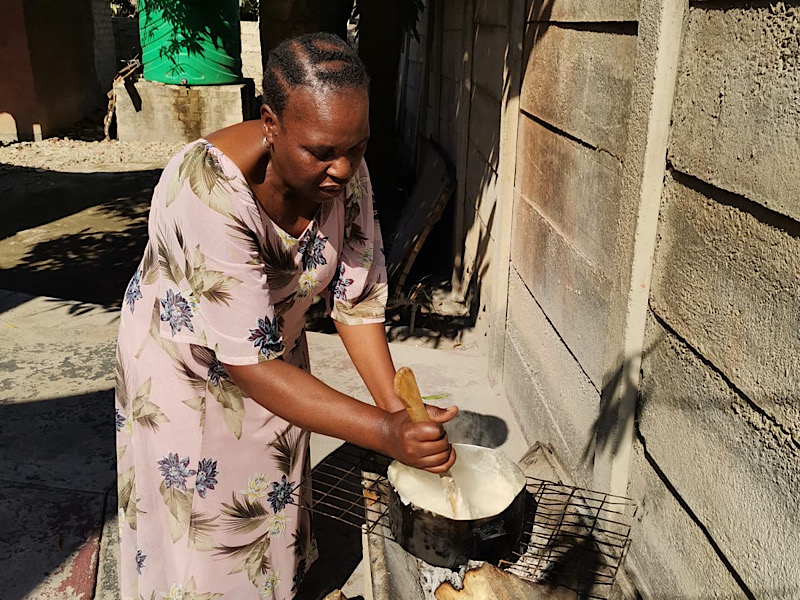
Banyini, 59, is a mother of three. Since last year, she has been using firewood daily to cook and heat water for bathing, saving her electricity for the fridge, TV, phones and iron. In July she added a two-plate gas stove, bought at a local shop for R250. She already had a gas canister so she did not need to buy a new one.
“I think electricity is expensive and especially these smart meters. This is why I had to come up with a plan B,” she said.
The plan is working — up to a point. She used to spend between R700 and R1,000 a month on electricity. Now she pays around R600. But the units still run out faster than she expects for a household running so little.
“I pay R600 for electricity and sometimes I even have to top up with another R100 to finish the month, but the only electronics we are using are the fridge, TV, phones and an iron. That does not make sense,” Banyini said.
Greater Tzaneen Municipality raised its electricity tariff by 9.1% on 1 July 2026. New smart meters were installed in Nkowankowa after Minister of Electricity Kgosientsho Ramokgopa visited the area and announced the end of daily load shedding, which had been ongoing for almost two years.
Banyini is not alone.
The Stats SA General Household Survey 2023 found that more than six in ten Limpopo households cook on open fires — the highest rate of any province in South Africa, according to Stats SA.
Flip Coertzer, president of the Tzaneen Chamber of Commerce, said the tariff increase is economically harmful to both households and businesses.
“Businesses in Greater Tzaneen are under severe financial pressure due to rising fuel costs, increasing electricity tariffs, high interest rates and failing infrastructure. The combination of higher costs and poor service delivery will lead to reduced productivity, business closures, job losses and declining investment,” Coertzer said.
Households struggling with electricity costs can enquire about indigent relief at the Greater Tzaneen Municipality offices or call the municipality’s customer care line for assistance with tariff queries.
Pictured above: Alfa Banyini cooks over firewood in her yard in Nkowankowa Township, with the remains of her mango tree visible above the wall behind her.
Image source: Nkhensani Mthombeni