
- South Africa’s economy contracted by 0.2% in the second quarter of 2026, ending a run of six straight quarters of growth.
- The Congress of South African Trade Unions wants government to act urgently on fuel and electricity prices, warning the war in the Middle East could drag the economy down for years.
South Africa’s economy shrank for the first time in almost two years, and the country’s biggest trade union group says government needs to act now, before things get worse.
The number that measures this is called GDP, which stands for Gross Domestic Product. It’s basically a way of adding up the total value of everything South Africa produces and sells in a given period, from mined minerals to manufactured goods to services like restaurants and shops. When GDP grows, it usually means more money moving through the economy, which tends to mean more jobs and more businesses doing well. When GDP shrinks, as it just did, it usually means the opposite: fewer jobs being created, businesses struggling, and less money circulating for everyone, including through tax collected by government to pay for things like grants, roads and hospitals.
Stats SA confirmed on Tuesday that the economy got 0.2% smaller between April and June this year. Before that, it had been growing steadily for six straight three-month periods in a row, a streak that has now come to an end.
A few key parts of the economy dragged it down. Mining shrank by 3%, mainly because less platinum, manganese, gold and iron ore was dug up and sold. Factories produced 1.8% less than before. Shops, hotels and restaurants took in 1.9% less business. Experts had expected the economy to shrink, but by a smaller amount than it actually did.
The Congress of South African Trade Unions (COSATU)’s Parliamentary Coordinator Mathew Parks says this is bad news, because the slow growth South Africa has had over the past few years was never fast enough to bring down unemployment in the first place, currently 43.8% once you count people who have given up looking for work. But at least it was moving in the right direction.
“We had hoped that 2026 would see the economy turning the corner after having been stuck at 1% growth for more than a decade,” Parks said.
The union blames much of this on the war between the US, Israel and Iran. Since that war started in late February, fuel prices have gone up a lot, and that makes almost everything else more expensive too.
COSATU pointed out that it took South Africa three years to recover the last time something like this happened, when the war in Ukraine pushed up prices.
“Workers cannot afford yet another period of economic stagnation,” Parks added.
The union wants government to bring in emergency help right away. This includes bringing down the price of fuel and electricity, helping industries that are struggling, and fixing a UIF programme meant to support workers who lose their jobs temporarily, which COSATU says has been broken for a long time. The union also wants more support for people on grants, including the SRD grant, and for people who are unemployed, mainly by growing the government’s Presidential Employment Programme. On top of that, it wants help for small businesses and companies that export goods, to get the economy growing again.
COSATU did give credit for some recent wins, like the end of load shedding, improvements at Transnet and South African Airways, and falling rates of violent crime. But it said these successes haven’t yet led to the kind of growth needed to properly bring down unemployment and poverty.
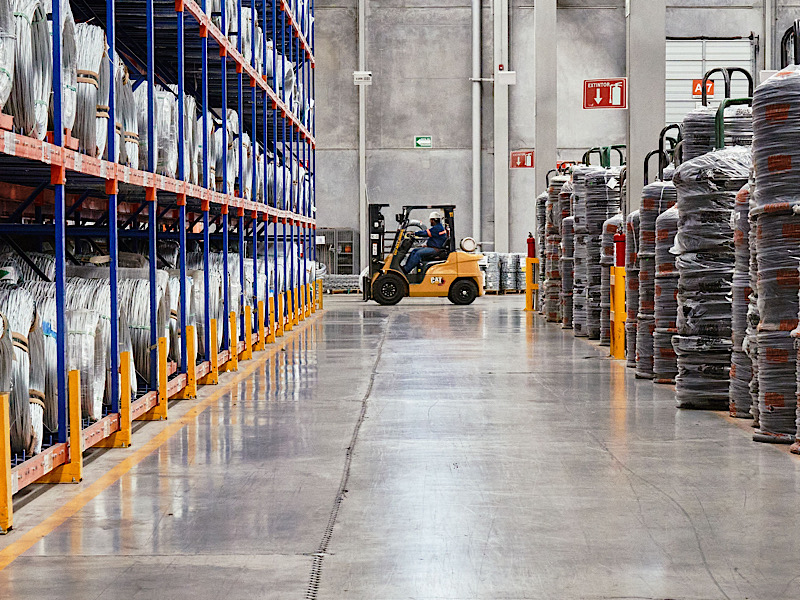
Pictured above: The country’s gross domestic product dropped by 0.2% in the second quarter of 2026, ending a run of six consecutive quarters of growth.
Image source: Pexels