
By Dylan Bettencourt
- Standard Bank says South Africa’s township economy is worth R900-billion a year, but nearly 80% of small businesses are unregistered and still use cash.
- Most traders say customers don’t trust digital payments or can’t afford bank fees, so cash remains the only way to buy food, pay rent and travel.
South Africa’s informal economy is worth a massive R900-billion a year, but most of it still runs on cash.
That’s according to Standard Bank’s first-ever Informal Township Research Report, which found that while banks push for digital payments, most township traders and their customers still prefer cash.
The study looked at township businesses in five provinces and found nearly 80% were unregistered. This makes it harder for them to get loans, grow or go digital.
These businesses include spaza shops, hair salons and small manufacturers, with annual turnovers between R100,000 and R50-million. Yet fewer than 9% have access to bank loans. Most rely on family, savings or their own hustle to survive.
Almost half of the businesses operate from homes or garages, facing tough competition – sometimes 20 similar businesses in one area.
Despite growing access to digital tools, Standard Bank says most traders would prefer EFTs or bank transfers, but their customers don’t trust the technology or can’t afford the fees.
“Cash remains the number one payment method because customers want it that way,” the bank said.
Many traders also avoid banks because of high costs, hidden charges and bad past experiences. Card machines and tap-to-pay services are seen as risky and expensive.
Some businesses use mobile money or bank transfers for rent and supplier payments, but daily shopping, school lunches and taxi fares still depend on hard cash.
Standard Bank says if South Africa wants to go cashless, banks must make digital payments cheaper, simpler and more trustworthy.
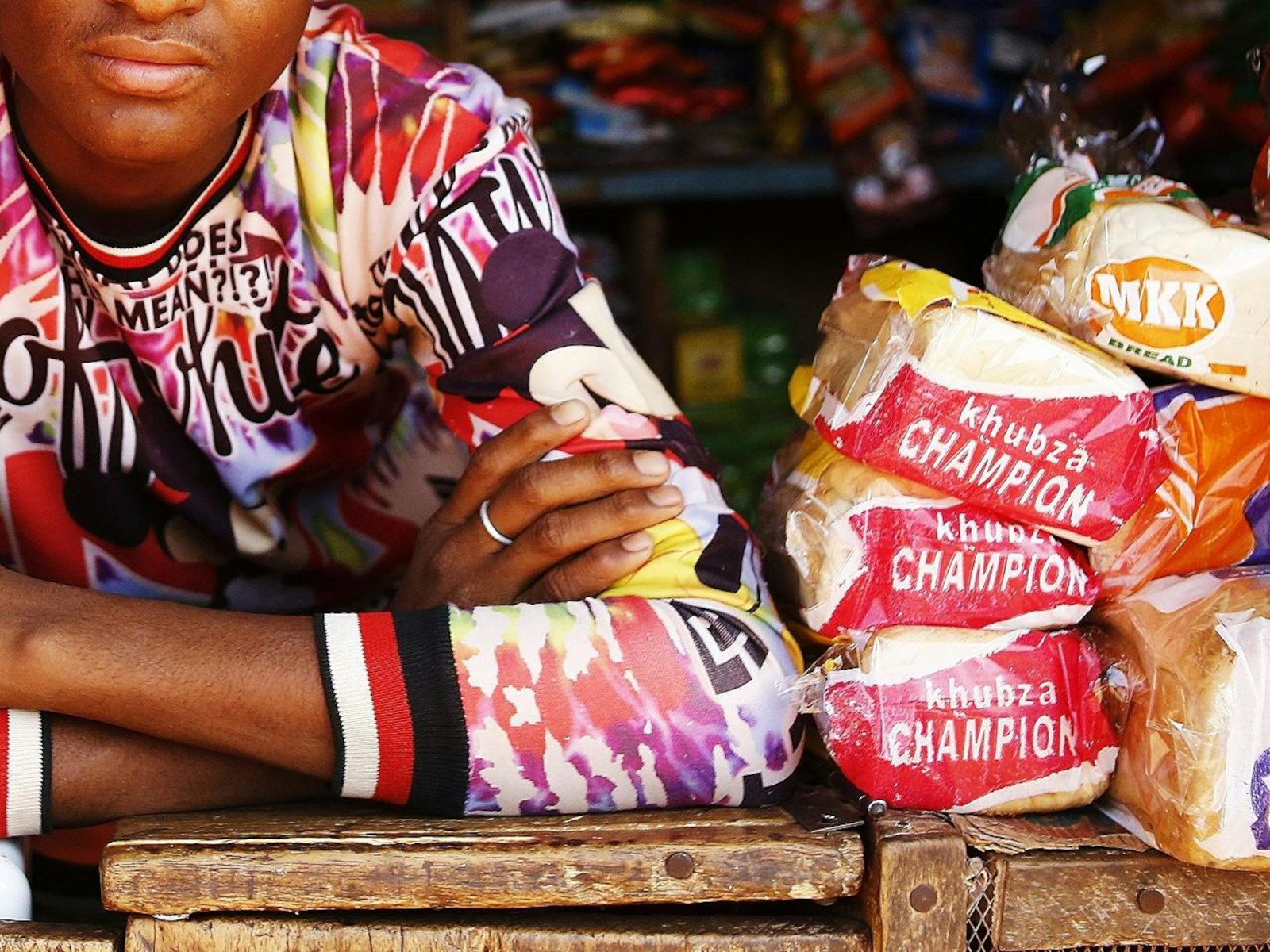
Pictured above: A spaza shop.
Image source: Pexels