
By Doreen Mokgolo
The Minister of Health, Joe Phaahla, said his department is ready to defend the National Health Insurance Bill (NHI) in court after attempts to block its implementation.
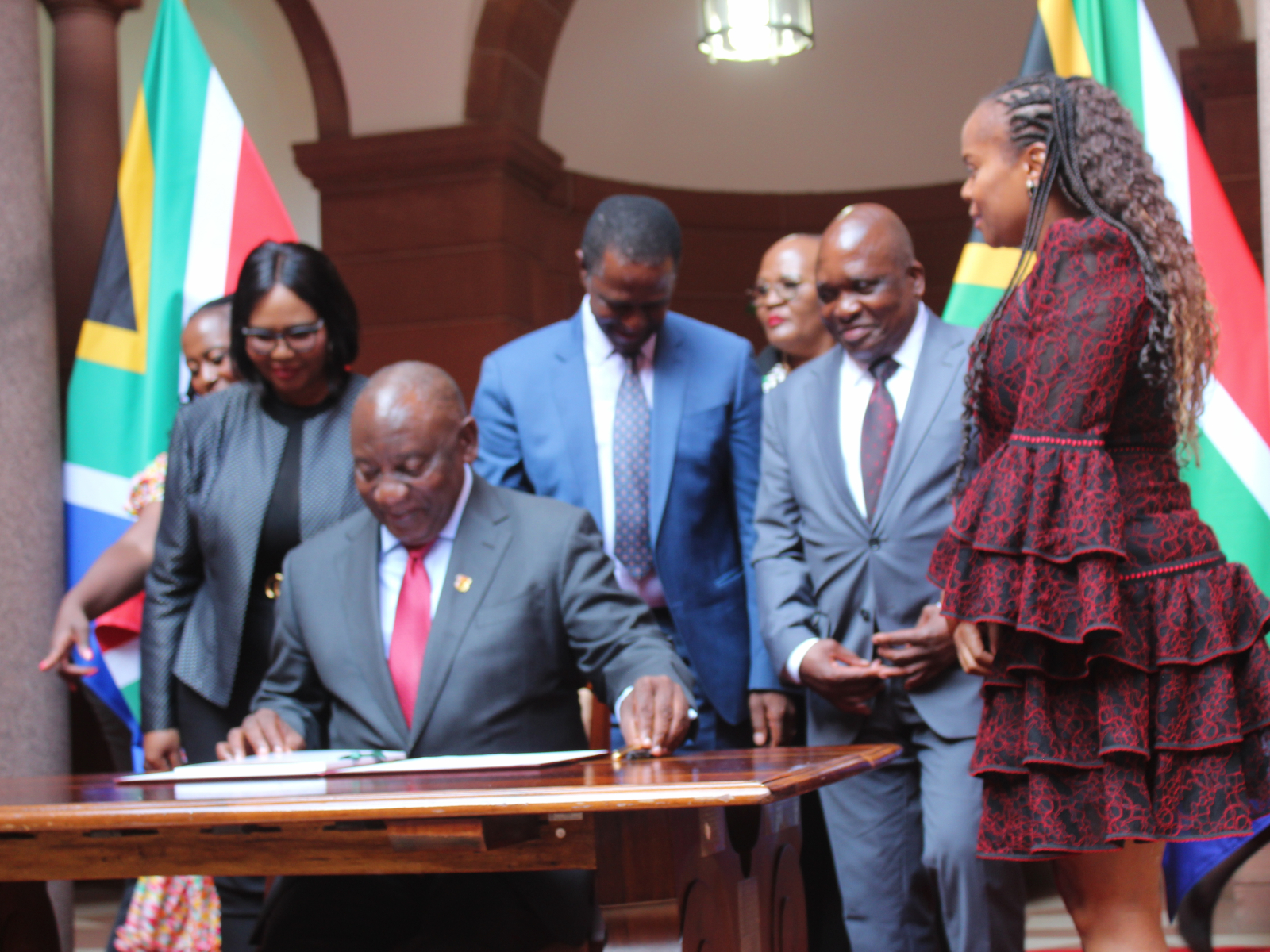
President Cyril Ramaphosa signed the bill into law on Wednesday, giving the Department of Health the thumbs up to implement the scheme.
Phaahla said the bill’s implementation is a change from the old health system and threatens the comfort of those who benefit from it.
“We are in a democratic country; the courts are part of the democracy. Ours is to be ready to present our case before the court. We received objections from 118 concerned groups, and their concerns were amended,” he said.
The NHI is set to provide universal health coverage for South Africans through a fund paid for by taxpayers.
It will be implemented in two phases, with the first phase set until 2026. This phase will focus on establishing the institution, strengthening the health platform, and all other basic instruments.
Leading the protest against the bill, the DA and EFF have labelled Ramaphosa’s signing of the bill as misguided, disingenuous and opportunistic by the ANC for political gain.
The DA’s Siviwe Gwarube said the bill currently lacks the necessary investment to provide accessible and quality health as the Constitution requires.
“The pilot projects carried out between 2012-13 failed due to the government’s inability to compensate contracted general practitioners.
“It is estimated that the implementation at NHI is R300-billion annually, and the burden of it will fall disproportionately on the South African taxpayers,” she said.
The EFF rejected the bill, saying that it fails to deal with the systemic challenges facing public health.
“The ANC government has failed to build a national health system that is inclusive, free, and prioritises prevention, education and care,” the EFF said in a statement.
“Instead, in their desperate attempt to hold on to power, they have signed into law the outsourcing of healthcare to the private sector. We reject the claim that the bill will usher in universal coverage depending on the private sector, which continues to rely on the systemic exploitation of consumers.”
Pictured above: Minister Joe Phaahla.
Image source: Doreen Mokgolo