- A Magaliesburg farm is expanding its donkey milk business, offering products from milk capsules to baby lotions while planning to grow its herd.
- Animal welfare groups want South Africa to stop slaughtering donkeys for their skins, warning that the trade threatens poor families who depend on them.
Donkeys could become a new source of jobs and income for South Africans struggling with the rising cost of living.
In Magaliesburg, farmer Jesse Christelis is turning donkey milk into capsules, soaps, creams, shampoos, conditioners and baby lotions.
His business, The Donkey Dairy, has about 145 donkeys and plans to increase its herd to 500 within three years.
But while Christelis is building a business around keeping donkeys alive, animal welfare groups are fighting to stop the animals being slaughtered for their skins.
Christelis started by selling bottled milk but found freezing and transporting it expensive.
“We were bottle-freezing milk because we didn’t want to use plastic that can leach BPA into our product,” he said.
He invested in equipment that turns milk into powder, making it easier and cheaper to store and transport.
The powder is also sold in 480mg vegetarian capsules.
But producing donkey milk is difficult. Each donkey gives about 250ml daily, far less than a dairy cow.
The farm allows young donkeys to feed from their mothers for two months before collecting milk.
Research conducted in Mahikeng in 2024 found consumers were willing to pay more for donkey milk.
For example, a product costing R100 could sell for R110.
However, actual prices were not provided, and cheaper transport does not guarantee cheaper products.
For families watching every rand, affordability remains important.
The business could create jobs in farming, packaging, manufacturing and delivery while giving consumers more choice.
Meanwhile, the Karoo Donkey Sanctuary wants Agriculture Minister Willie Aucamp to end the slaughter of donkeys for their skins.
The skins are used to make ejiao, a gelatin used in Chinese medicine and beauty products.
The Donkey Sanctuary in the United Kingdom estimates that at least 5.9 million donkeys are slaughtered worldwide annually.
Sanctuary founder Jonno Sherwin says South Africa must act.
“Every delay leaves more donkeys at risk,” he said.
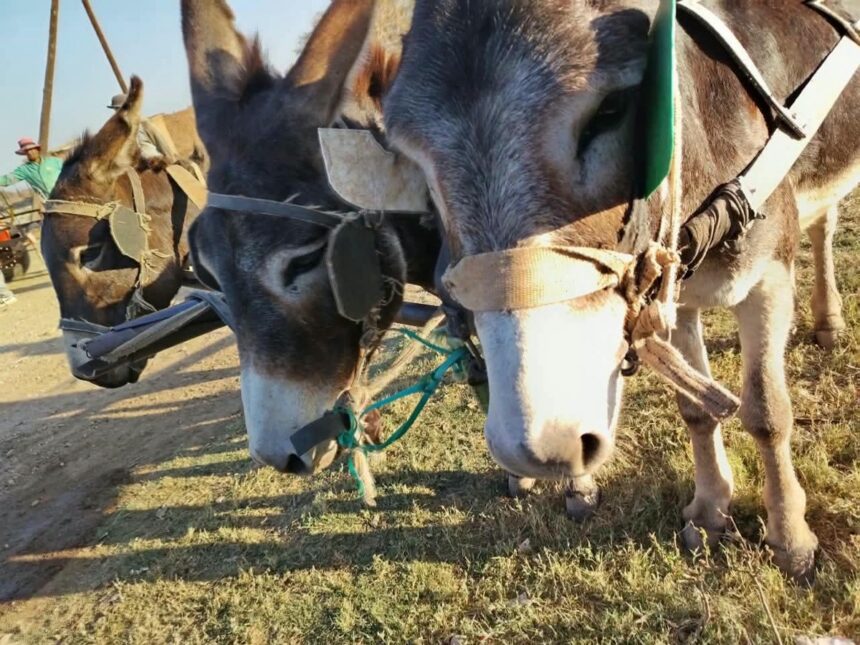
For poor rural families, donkeys carry water, food and farming goods. Losing an animal can mean losing an important source of support.
African Union leaders agreed in February 2024 to stop donkey slaughter for the skin trade.
South Africa has not announced when it will implement the agreement.
The Department of Agriculture says no donkey skins are currently exported through the department, but it has no central export register.
For ordinary South Africans, the issue is about protecting livelihoods while creating new economic opportunities.
Donkey milk farming could offer jobs and more products, but high production costs remain a challenge.
Protecting working donkeys could also save struggling families the cost of replacing animals they depend on.