
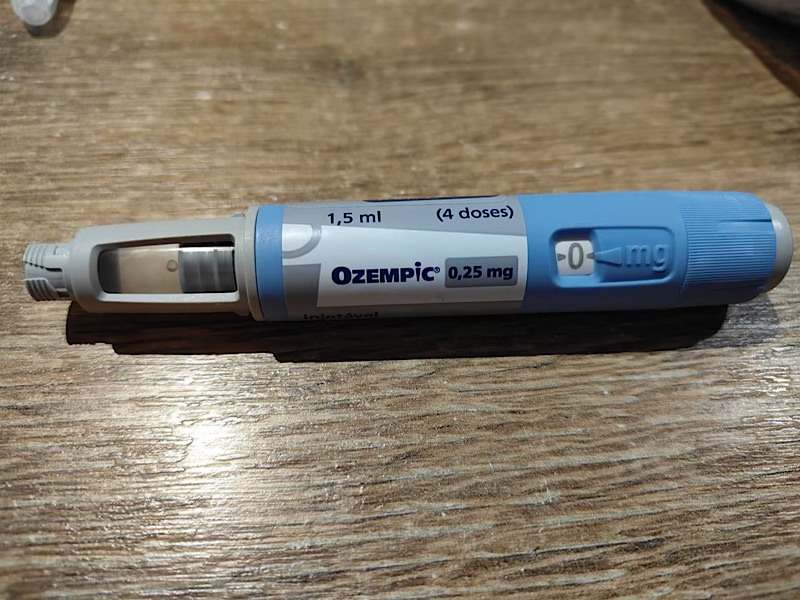
- Doctors warn Ozempic can inflame the pancreas and damage the kidneys through dehydration, and most lost weight returns after stopping.
- Ozempic demand has caused shortages in some markets, and diabetes patients who go without treatment risk blindness and kidney damage.
Ozempic was made to treat type 2 diabetes. Now South Africans are using it to lose weight, and doctors warn it carries serious risks and could mean taking expensive medicine for life.
It works by reducing hunger and helping people feel full for longer. Studies show people using its active ingredient, semaglutide, can lose up to 15% of their body weight. More than half of South African adults are overweight or obese.
Dr Marius Wasserfall, a specialist physician at Mediclinic, says: “These medications are not a silver bullet, but they can help patients battling obesity make real progress when combined with healthy habits.”
Ozempic can cause nausea, vomiting and diarrhoea. More serious problems include inflammation of the pancreas, gallbladder problems and dehydration that can damage the kidneys.
For diabetes patients taking insulin or certain other medicines, it can also cause dangerously low blood sugar. That can lead to shaking, dizziness, confusion and, in severe cases, unconsciousness.
Wasserfall warns: “Stopping the medication will result in the majority of the weight lost being regained.” The injection is also expensive, and many medical schemes do not cover it for weight loss.
Rising demand has caused shortages in some markets, leaving some diabetes patients struggling to get their treatment. Without proper medication, diabetes can become harder to control and lead to blindness, kidney damage and heart disease.
Diabetes killed 28,767 South Africans in 2024, about 79 a day, according to Statistics South Africa.
The World Health Organization says doctors may use these medicines to treat adults with obesity, alongside healthy eating and exercise, but only under medical supervision. It also warns about fake injections, high prices and shortages.
Patients should never stop or change their diabetes treatment without speaking to a doctor