By Buziwe Nocuze
- Codeta taxi association introduced a cashless payment system on 1 June 2026, forcing passengers and drivers to adjust to using cards instead of cash.
- One passenger says the system has stopped him from borrowing from loan sharks, since his transport money is now locked away for the month.
Since Codeta taxi association introduced a cashless payment system on 1 June 2026, passengers have had to swap coins and notes for a card called SAPAY, and for some, that change has meant real savings.
Malizole Matoti, who travels from Mfuleni to Woodstock, said the system has kept him out of debt.
“Ever since the cashless system was introduced, I stopped borrowing money from loan sharks. I upload the transport money for the entire month, and the good thing is that even if I want to take it back, I won’t be able to do that,” he said.
The switch wasn’t smooth for everyone at first. Busisiwe Ntlangulana, who commutes from Khayelitsha to Century City, said the early weeks were frustrating.
“At first, it was making us late because we had to stand in the queue getting our SAPAY cards. The first two weeks were tough, but as soon as we got used to the system, we realised that it is so easy, and we can also upload money to our cards at most retail shops rather than queueing at the kiosks in the taxi rank,” she said.
Not every problem has been fully worked out. Zingiswa Mda, another passenger from Mfuleni, said drivers occasionally tap the card twice by mistake, leaving passengers to sort out the error at the kiosk after a long day at work.
“Even though they fix these issues quicker by uploading the money for you, the drivers need to pay attention when tapping our SAPAY cards,” she said.
For drivers, the change hit differently. Luzuko Siyolo admitted most drivers, including himself, resisted the system at first, since it meant no longer handling cash that used to go straight into informal savings arrangements known as stokvels.
“The cashless system means that we are no longer going to carry money, because it goes straight to our owners’ banking details. We were used to carrying money, even though we knew it is not ours, and some of us are having R300 stokvel a day, but with the system we had to stop, because we won’t be able to do that with our salaries,” he said.
Siyolo said the system has cut out a different kind of daily conflict.
“We don’t have passengers asking to pay less ever since the cashless system was introduced, and we don’t have passengers who pay with short money and keep quiet. We don’t fight about the shortage of money,” he said.
Taxi owner Mzayifani Nqendana said owners were initially anxious about whether the money would actually reach them on time.
“We were promised that our money will be paid before the end of the business day, and that has been happening. I usually go to bed around 22:00, and when I wake up in the morning, my money is there,” he said.
Nqendana said the early resistance from drivers made sense.
“The pushbacks are not done just because they don’t want it, but they are afraid of changes. Changing the old way was not always going to be an easy thing for some people, and it will take time, because we are all afraid of change,” he said.
“As people, we are not the same; others understand things quicker, and there’s nothing wrong with that, but people fear change. They ask if it’s going to work or not, but eventually they will see and understand it is easy to use.”
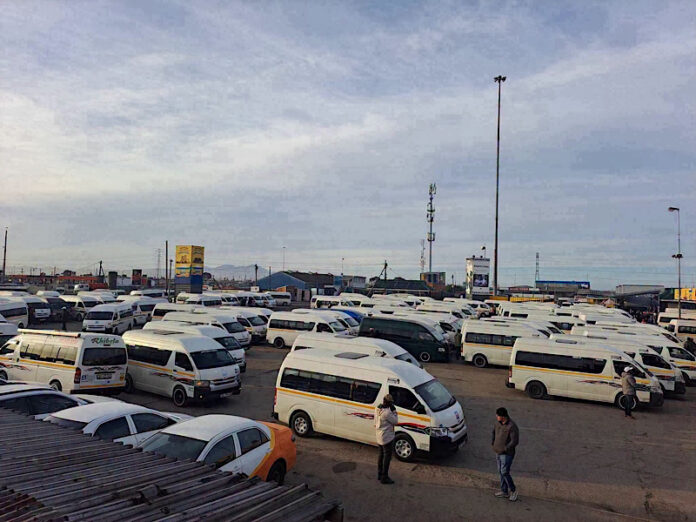
Pictured above: A Codeta passenger says the cashless system saves him money.
Image source: Buziwe Nocuze