By Palesa Matlala
• Petrol motorists with a 60-litre tank could pay about R526 more for a fill-up by October compared with what they paid in March.
• Rising diesel costs are squeezing trucking companies and taxi operators, raising fears that households could eventually pay more for transport and everyday goods.
South Africans are being hammered at the pumps, and the pain could soon spread far beyond petrol stations.
Motorists are already paying hundreds of rands more to fill their tanks following repeated fuel increases.
Taxi passengers are also facing higher fares.
And trucking companies that transport food and other goods across the country are being squeezed by rising diesel costs.
The latest increase comes after a painful September hike, when both grades of petrol jumped by R1.34 a litre.
Diesel increased by between R2.94 and R3.15 a litre.
Those numbers may look small when measured by the litre.
But filling an entire tank tells a very different story.
Hundreds more for a tank
When the September increase and projected October increase are combined, a motorist filling a 40-litre petrol tank would pay at least R139 more for a full tank.
Someone with a bigger 60-litre tank would need about R209 extra.
Diesel drivers face an even bigger blow.
The combined September and projected October increase for 50 parts per million diesel comes to R5.20 a litre.
That means filling a 40-litre diesel tank would cost R208 more than it did before the September increase.
A motorist or business filling a 70-litre tank would need an extra R364.
But the real shock comes when current prices are compared with March, before the first major fuel increase.
By October, a 40-litre petrol fill-up would cost around R350 more than it did in March.
For someone with a 60-litre petrol tank, the difference would be about R526.
Diesel motorists would be hit even harder.
A 40-litre tank of 50 parts per million diesel would cost around R550 more to fill.
Someone filling a 70-litre diesel tank would have to find about R963 extra.
Taxi passengers also feel the squeeze
The fuel pain does not stop with people who own cars.
Millions of South Africans depend on minibus taxis to get to work, school and shops.
Taxi passengers have already faced fare increases this year as operators battle higher fuel and other running costs.
The increases depend on the route and area.
Some city routes have gone up by around R3 to R6 per trip.
Some long-distance passengers have faced increases of between R10 and R30.
Even a R3 increase can hurt someone who travels every day.
A commuter taking two taxi trips a day for 20 working days would spend an extra R120 a month if each trip became R3 more expensive.
If each trip increased by R6, that same commuter would need another R240 a month.
And further fare increases could follow if operators pass the latest fuel costs on to passengers.
Truckers take a diesel beating
The diesel increases are also putting pressure on the trucks that keep South Africa moving.
Trucks carry food, clothing and other goods between farms, factories, warehouses and shops.
According to the Road Freight Association, diesel can account for between R35 and R55 of every R100 some road freight businesses spend on running their operations.
That makes a big diesel increase difficult to absorb.
The latest increase could add roughly R4 to R6 to every R100 in total operating costs.
For a company with R1,000 in comparable operating costs, that would mean roughly another R40 to R60.
At R10,000, the increase would be around R400 to R600.
And at R100,000, the extra cost could reach roughly R4,000 to R6,000.
The exact impact will depend on the type of business, its trucks, routes and operating conditions.
Your grocery bill could feel it too
Higher trucking costs do not automatically mean shops will immediately put up their prices.
Some transport companies may absorb part of the increase.
Others may recover the extra money from customers through fuel charges included in their contracts.
But rising transport costs can eventually work their way through the economy.
A loaf of bread, bag of potatoes or bottle of milk does not magically appear on a supermarket shelf.
Those goods have to be transported.
And transporting them becomes more expensive when diesel prices rise.
That means the fuel-price headache can eventually reach households even if they do not own a car.
For families already counting every rand, the pressure is coming from several directions.
Motorists are paying more at the pump.
Taxi passengers could pay more to get around.
Truckers are spending more to move goods.
And businesses may eventually pass some of those costs on to shoppers.
The numbers may start with a few extra rands per litre.
But by the time the impact reaches a family’s monthly budget, it can add up to hundreds of rands.
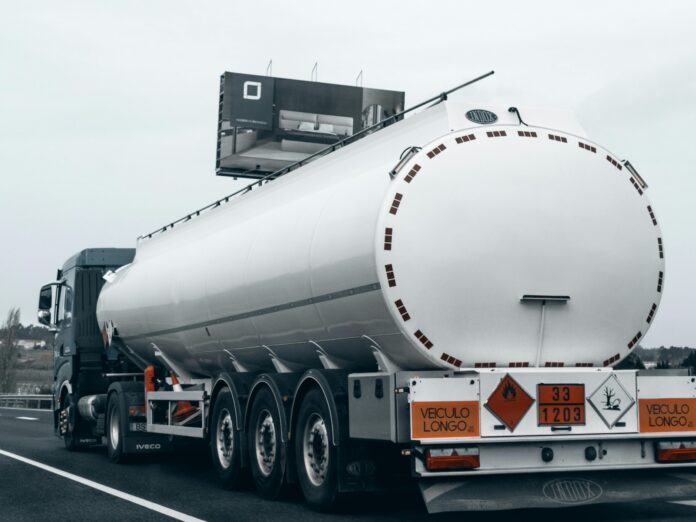
Pictured above: South Africans face rising transport costs following repeated fuel price increases.
Image source: File.