By Palesa Matlala
• Gauteng investigated 61 suspected illegal schools since January, issued closure letters to 32 and says seven have since stopped operating.
• The province plans to spend about R1.13-billion subsidising qualifying independent schools while tightening checks on registration, finances and compliance.
Parents have been warned to check whether their children’s schools are legal before handing over their money.
The Gauteng education department has investigated 61 schools suspected of operating illegally since January as it steps up its crackdown on unregistered schools.
Of those, 32 were served with closure letters.
Gauteng MEC for Education Lebogang Maile revealed the figures during a media briefing on Sunday.
He said the department launched investigations after receiving information from parents, community members and other government institutions.
Officials visited the schools to check whether they were registered and had the documents needed to operate legally.
“Where an institution is found to be operating unlawfully, it is instructed to cease operating and the relevant closure process is followed,” Maile said.
Seven of the schools dealt with during 2026 have since stopped operating.
Another four have applied to be registered.
The crackdown follows similar action in 2025, when the department visited 57 schools operating illegally and served closure letters on 31 of them.
But shutting the doors does not mean the department can simply walk away from the children affected.
“The department does not regard the closure of an illegal school as the end of the matter because the learners still require education,” Maile said.
Education officials in the affected district must work with parents to find places for the children at legally operating schools.
This is meant to ensure that learners do not lose access to education because their school has been shut down.
Gauteng currently has 1,083 registered independent schools.
That is up from 961 in 2021.
Of the current total, 279 independent schools receive government subsidies while 804 do not.
The department stressed that receiving government money does not turn an independent school into a government school.
“A subsidy does not mean that the government owns the school,” Maile said.
The province is preparing to spend about R1.13-billion on subsidies for qualifying independent schools during the 2026/27 financial year.
About R621-million is set aside for primary schools while R508-million will go towards secondary schools.
Between the 2022/23 and 2025/26 financial years, the department allocated about R4.3-billion in transfers and subsidies to qualifying independent schools.
The allocation for 2025/26 alone was close to R1.1-billion.
Lower fee independent schools can qualify for greater government support than schools charging much higher fees, depending on the funding rules.
Schools receiving taxpayers’ money must also account for how they spend it.
“The department therefore monitors financial planning, budgets, annual financial statements, banking and cash controls, payroll, assets and other financial requirements,” Maile said.
With the number of independent schools growing, the department says proper registration and oversight are becoming increasingly important.
Its message to parents is simple: check that an independent school is properly registered before enrolling your child or paying school fees.
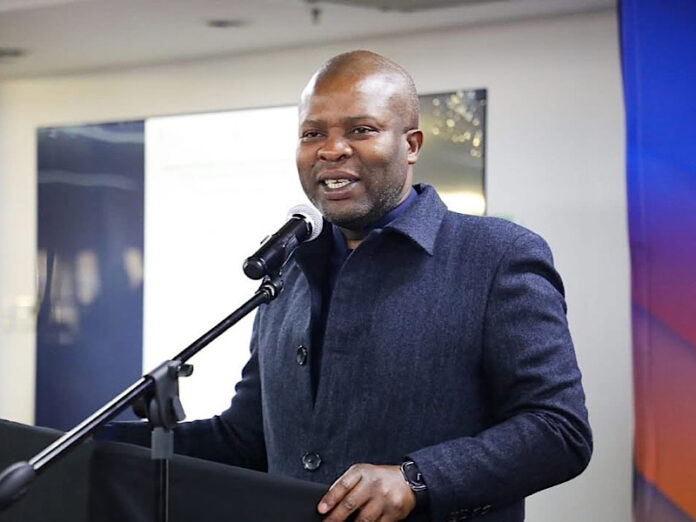
Pictured above: Gauteng MEC for Education Lebogang Maile.
Image source: File.