South Africa spends billions protecting politicians but has no law requiring police to protect its kings and queens. That reality was laid bare in Parliament this week, writes Celani Sikhakhane in Royals Mzansi.
Think about that for a moment. The South African government spent over R3.7-billion protecting politicians and officials in the 2024/25 financial year. Ministers, deputy ministers, the Presidency. That figure is set to exceed R4-billion by 2026/27.
And yet there is not a single law that requires the SAPS to protect the country’s kings and queens.
That uncomfortable truth was laid bare at a parliamentary ad hoc committee this week, when ANC MP Khusela Diko asked Lt General Mkhwanazi directly about royal protection.
Mkhwanazi did not mince his words. The SAPS has no legal obligation to protect South Africa’s kings and queens. The Auditor-General does not even recognise royal security as regular expenditure. Section 205 of the constitution gives SAPS no mandate to guard them.
He said SAPS is only required to protect heads of state. The King of eSwatini qualifies. South Africa’s own ceremonial kings do not.
What makes this worse is the world these royals are living in. Throne disputes across several South African monarchies have turned deadly. There has been infighting, deaths, court battles. These are not peaceful institutions operating in safe environments.
And still, if a portfolio committee or the Auditor-General told SAPS tomorrow to pull all royal protection, they would have to. No court could stop them.
Of seven recognised monarchs in the country, only two receive SAPS VIP protection. One is Zulu King Misuzulu kaZwelithini. The other five are on their own.
The SAPS has been stepping in voluntarily. Nothing in law compels them to. That is not a protection framework. That is goodwill. And goodwill is not a guarantee.
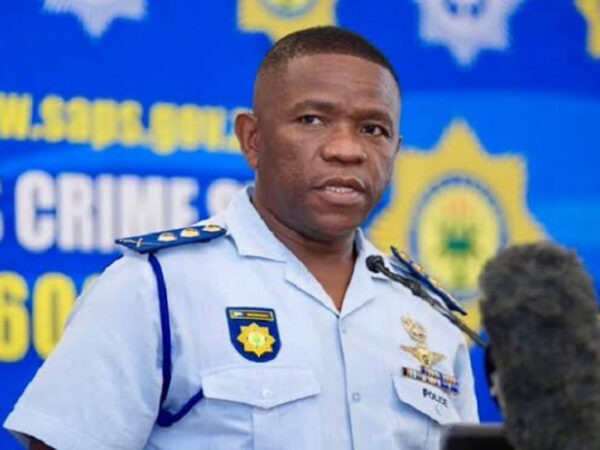
Pictured above: General Mkhwanazi.
Image source: File