
By Everson Luhanga
- Scammers are using deepfakes, fake websites and social media offers to trick buyers into paying for goods that don’t exist.
- Payment provider Ozow and its fraud-fighting partner Orca Fraud have rolled out real-time fraud protection. They also published ten tips to help shoppers avoid becoming victims.
The rush of Black Friday means scammers see opportunity. They know many shoppers are checking out deals late at night, sometimes under pressure to grab bargains before they run out. That makes now the perfect time for them to swipe your cash.
Criminals are no longer just sending dodgy emails. These days they use artificial intelligence to build convincing fake ads, videos or emails. Some scams already use deepfake voices or visuals to fool people into thinking they are dealing with trusted retailers.
Then there are fake websites that look almost identical to real stores — they might tweak a letter or two in the URL. Once you’ve entered your card or banking details, it’s over.
That’s why Ozow partnered with fraud specialist Orca Fraud. Their joint system watches and checks each payment in real time. It tries to spot suspicious behaviour before it turns into losses.
They’ve also given shoppers a simple checklist to follow:
- Always check the web address — make sure it starts with “https://” and shows the padlock symbol. Look carefully for odd spellings or small changes.
- Avoid clicking links from unexpected emails, texts or social media ads. Instead, type the retailer’s official address into your browser.
- Be sceptical of super-cheap deals — if it’s too good to be true, it usually is.
- Use known, trusted payment gateways rather than random or unknown sites.
- Use strong, separate passwords for each account, and turn on multi-factor authentication where you can.
- Never share one-time passwords or CVV codes with anyone. Real companies will never ask for those.
- Avoid using public Wi-Fi to shop — hackers can easily intercept your payment info.
- Enable banking or purchase alerts and check statements often for strange activity.
- Be careful with social media sellers or deals — verify their history and look for reviews.
- Keep your device, browser and security software up to date to guard against new cyber threats.
Authorities and banks in South Africa have also warned shoppers about the spike in scams during this busy shopping period. The surge is expected to continue throughout Black Friday and Cyber Monday.
If you plan to shop this Black Friday, take time before you click buy. A moment’s caution could save you a lot of headache — and protect your cash.
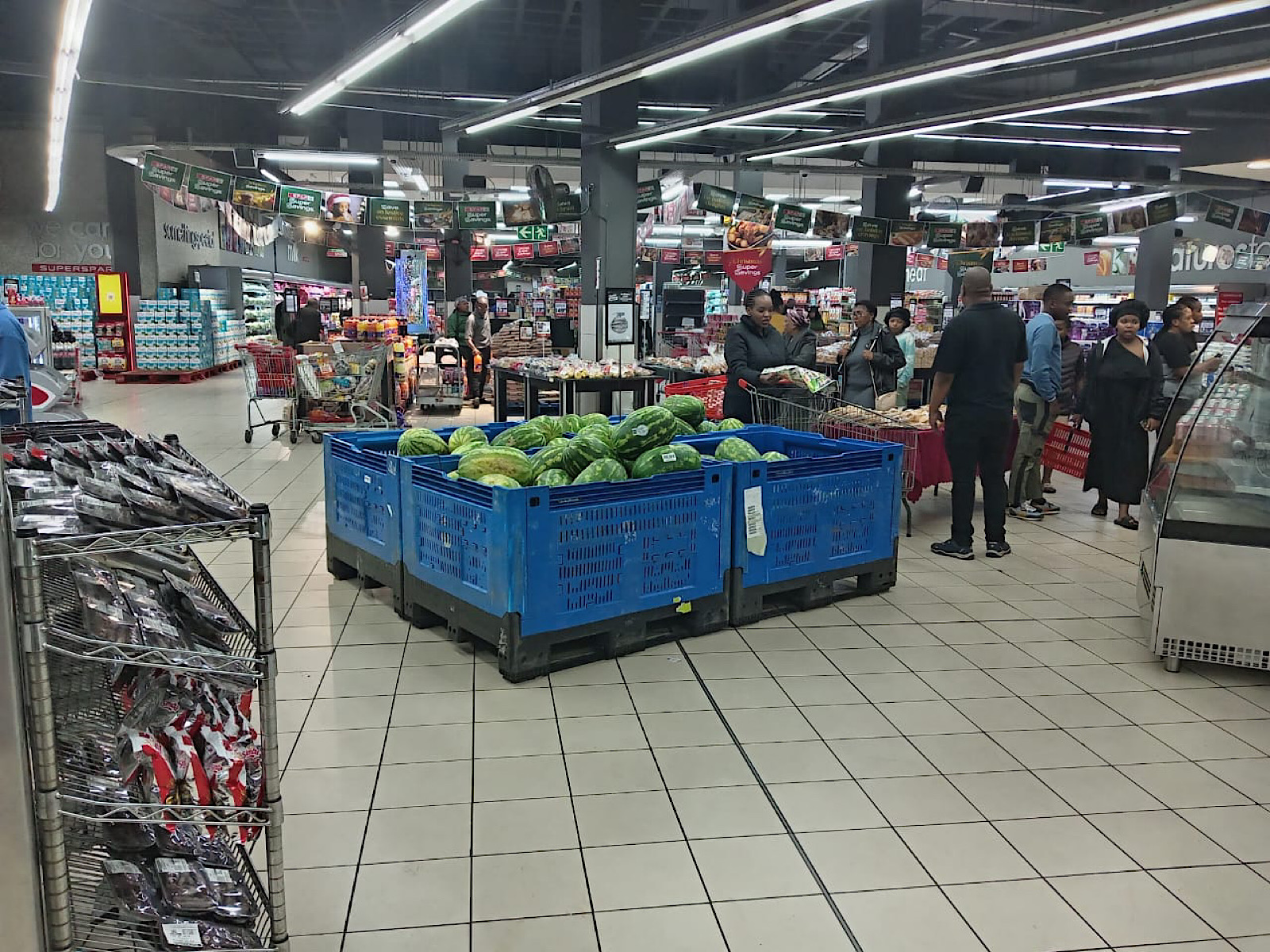
Pictured above: Shoppers at Lyndhurst Spar in Johannesburg.
Image source: Everson Luhanga