
Listen to this article.
• More than 170 people were reportedly murdered in just two weeks as gang violence, extortion and organised crime continue to terrorise communities across the Cape Flats.
• Crime expert Mike Bolhuis says soldiers cannot solve the crisis alone and wants specialised police units to target gang bosses instead of only increasing patrols.
More than 170 people have reportedly been murdered in just two weeks, yet the deployment of soldiers to the Western Cape has failed to stop the violence.
That is the warning from crime expert Mike Bolhuis, who believes South Africa needs a completely different strategy to tackle gangs, extortion and organised crime.
Communities such as Nyanga, Khayelitsha and Mitchells Plain continue to live in fear as shootings, gang wars and extortion rackets leave families trapped in violence.
Bolhuis said sending more soldiers onto the streets may increase police visibility, but it is not breaking the power of criminal organisations.
“It is clear that the deployment has not been effective,” he said.
“The army is there to support the police, not replace them. What South Africa needs is proper policing.”
He believes the government should stop focusing mainly on visible patrols and instead invest in specialist police units that investigate organised crime and dismantle criminal networks.
“You need specialist units that focus on organised crime, gang violence and racketeering. You have to go after the people giving the orders, not only those carrying them out,” he said.
The latest military deployment forms part of Operation Prosper, a nationwide crime fighting operation announced by President Cyril Ramaphosa during his State of the Nation Address in February.
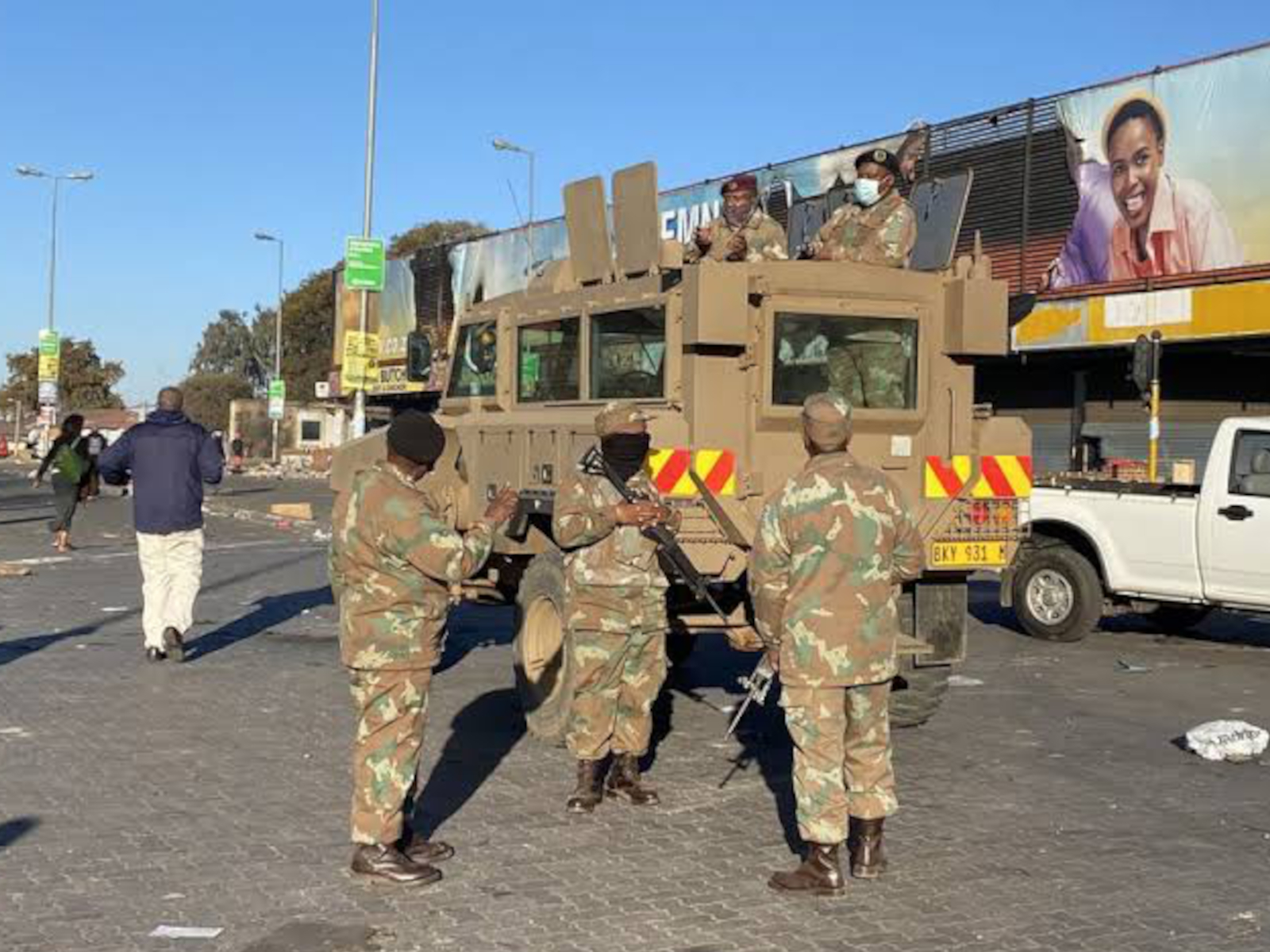
Under the operation, members of the South African National Defence Force are deployed alongside police in crime hotspots across several provinces, including the Western Cape.
The aim is to strengthen policing in communities battling gang violence, extortion, taxi violence and the widespread use of illegal firearms.
Western Cape Police Commissioner Lieutenant General Thembisile Patekile said the deployment is intended to help stabilise some of the country’s most dangerous communities.
“It is our hope that, working together with all spheres of government and communities, we can deal with gang violence, extortion, taxi violence and the illegal firearms being used to commit these crimes,” he said.
Authorities insist soldiers are not replacing the police but are providing extra support while police continue investigations and crime prevention operations.
The deployment comes at a huge cost.
Government has allocated more than R823-million for the multi-province military operation.
The Presidency and National Treasury have not revealed how much of that money is being spent in the Western Cape because the budget is shared across all participating provinces.
A previous military deployment focused only on the Western Cape cost taxpayers R23.4-million.
Despite these costly interventions, violent crime continues to dominate many Cape Flats communities.
Residents still report regular shootings, extortion, gang recruitment and the easy availability of illegal firearms.
Bolhuis said unless police target gang leaders, financial networks and organised crime syndicates, the violence is unlikely to stop.
He warned that arresting foot soldiers without dismantling the organisations behind them only creates space for new recruits to take their place.
For many residents, the growing military presence has brought hope, but not the peace they desperately want.
As the death toll continues to climb, communities are calling for lasting solutions that will make neighbourhoods safe again instead of temporary interventions that fail to stop the bloodshed.
Pictured above: Soldiers have been deployed to gang hotspots in the Western Cape, but violent crime continues to claim lives across the Cape Flats.
Image source: File.